Opposition Bloc Faces Rift as Key Ally Steps Back
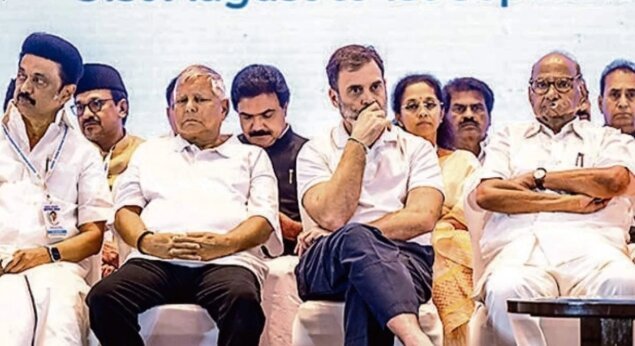
The nationwide opposition coalition faced a major operational hurdle on Thursday after a primary regional partner decided to skip an upcoming high-level gathering. The Dravida Munnetra Kazhagam officially announced its choice to stay away from the scheduled national assembly in New Delhi on June 8.
Party representatives released a detailed public statement explaining that the decision was necessary to respect local cadres. The state-level leadership highlighted a deep sense of dissatisfaction among regional workers regarding recent organizational choices made by the Indian National Congress.
The political friction intensified following the conclusion of the recent state assembly elections in Tamil Nadu. The local unit accused the national partner of altering long-standing local understandings to build separate agreements with a newly formed regional political organization.
Observers note that this structural disagreement marks a visible shift in the domestic political landscape. The regional group has historically functioned as a foundational pillar of the joint national front since its initial formation.
To establish its independent stance, the regional party moved beyond boycotting the upcoming capital meeting. Its parliamentary representatives formally reached out to the speaker’s office to request individual seating configurations within the legislative house.
The legislative administrative authorities have reportedly processed the official request to shift the regional members. This technical adjustment ensures that the group will sit independently from the benches of the national party during upcoming legislative sessions.
Despite the deep friction regarding local seat-sharing and partner choices, the regional leadership clarified its stance on broader national governance. The organization stated it will continue to coordinate with other groups on key legislative issues.
Representatives mentioned that the party remains committed to opposing joint matters such as uniform education entrance systems and centralized election cycles. The group intends to raise its voice alongside other independent partners whenever state rights are affected.
Meanwhile, other prominent members of the opposition coalition are still expected to participate in the capital city talks. High-profile regional leaders from various states plan to move forward with the coordination meeting at the Constitution Club.
The upcoming discussions are expected to focus heavily on parliamentary coordination and joint campaign structures. However, political analysts suggest that managing internal regional rivalries will remain a critical challenge for the collective front moving forward.