Harish Rao and BRS Leaders Detained
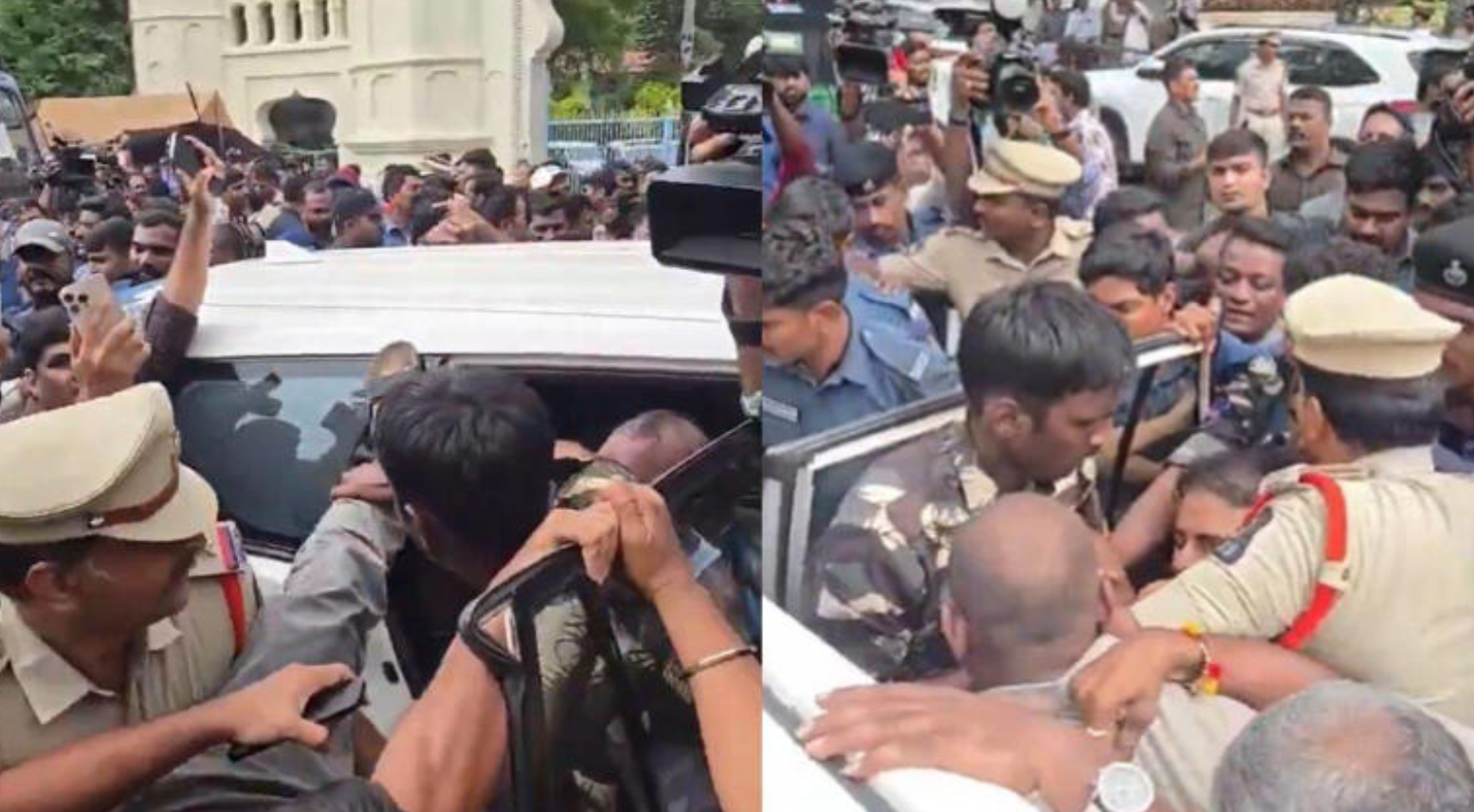
The political atmosphere in Telangana witnessed dramatic developments today as senior BRS leader and state minister Harish Rao, along with several party colleagues, was detained by police during a protest. The incident has sparked intense debate across the state, drawing attention to the growing friction between the ruling establishment and opposition voices.
Harish Rao, known for his strong organizational skills and mass connect, was leading a demonstration highlighting issues of governance and regional demands. The protest, which began peacefully, soon escalated as large crowds gathered, prompting police intervention. Leaders were taken into custody to prevent further escalation, but the move has triggered sharp criticism from party cadres and sympathizers.
Supporters of the BRS argue that the detention reflects an attempt to suppress dissent and weaken the party’s momentum ahead of crucial political battles. They point out that Harish Rao has long been a key strategist within the party, often seen as a bridge between grassroots workers and the leadership. His detention, therefore, carries symbolic weight, signaling a direct confrontation between the state machinery and the party’s mobilization efforts.
Political analysts note that the timing of the detention is significant. With Telangana politics entering a decisive phase, every move by the government and opposition is being closely scrutinized. The BRS, under the leadership of K. Chandrashekar Rao, has been working to consolidate its base, while rivals are attempting to exploit internal rifts. Harish Rao’s detention may either galvanize party workers or deepen challenges, depending on how the leadership responds in the coming days.
Eyewitness accounts suggest that the protest was marked by slogans, placards, and calls for accountability. Police officials maintained that the detentions were necessary to maintain law and order, citing concerns over traffic disruption and public safety. However, BRS leaders insist that their right to protest was curtailed unjustly, framing the incident as part of a larger narrative of political suppression.
Across social media platforms, the news has gone viral, with hashtags related to Harish Rao and BRS trending in Telangana and beyond. Supporters have launched online campaigns demanding immediate release, while critics argue that the party must introspect on its methods of agitation. The digital storm reflects the growing role of online discourse in shaping political narratives in the region.
Observers believe that the incident could have ripple effects on upcoming electoral strategies. Harish Rao’s stature within the party ensures that his detention will not be seen as an isolated event but as a challenge to the collective strength of the BRS. Whether this leads to greater unity or sparks internal debates remains to be seen.
The unfolding situation has also drawn responses from civil society groups, who emphasize the importance of safeguarding democratic rights. They argue that peaceful protests are integral to a functioning democracy and that detentions should not become a routine response to political mobilization.
As Telangana watches closely, the detention of Harish Rao and fellow leaders has become more than just a law‑and‑order issue. It is now a test of political resilience, party solidarity, and the balance between authority and dissent. The coming days will reveal whether this confrontation strengthens the BRS narrative or complicates its path forward.