Massive Turnout as Voting Begins in India
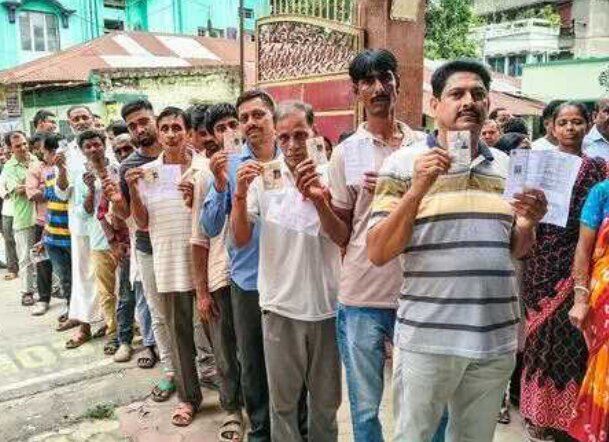
The first major phase of the 2026 Assembly elections saw a historic wave of voters across West Bengal and Tamil Nadu on April 23. In West Bengal, an extraordinary turnout of over 92% was recorded across 152 seats, signaling intense public engagement. Meanwhile, Tamil Nadu concluded its single-phase battle for all 234 seats with over 5.75 crore voters deciding the fate of over 4,000 candidates.
Prime Minister Narendra Modi, while campaigning for the second phase, hailed the high participation as a sign of an “overwhelming mandate for change.” He noted that violence remained at a 50-year low during this phase, crediting the Election Commission for maintaining order. The PM also took light-hearted jabs at the Trinamool Congress, claiming his recent campaign moments have left the opposition feeling the “heat” of the spicy political contest.
On the other side, West Bengal Chief Minister Mamata Banerjee hit back at the Prime Minister’s remarks, challenging his connection with Bengali culture. She expressed confidence that the high turnout reflects the people’s desire to protect their state’s identity. In Tamil Nadu, the contest remained a fierce bipolar fight between the DMK and AIADMK, with the added variable of superstar Vijay’s new political party.
The Election Commission also made headlines by issuing a show-cause notice to Congress President Mallikarjun Kharge. The notice follows complaints regarding alleged derogatory remarks made against the Prime Minister during a press event in Chennai. The poll body has demanded an explanation within 24 hours, citing a potential violation of the Model Code of Conduct.
Beyond the ballot box, a Delhi court sent a high-profile political consultant to 14-day judicial custody in connection with a money laundering case. This development has sparked further political debate over the influence of consultancy firms in Indian elections. As the first phase concludes, all eyes now shift toward the counting date on May 4, which will determine the future of these key states.