Congress Files Privilege Notice Against PM Modi Over National Address
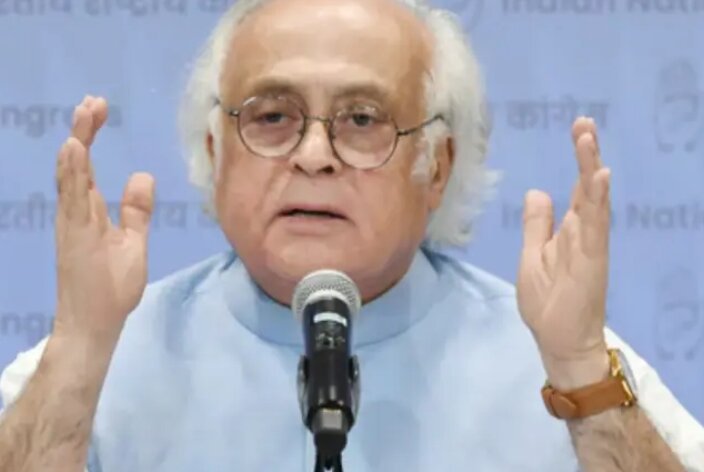
The Indian political climate intensified , as the Congress party formally moved a privilege notice against Prime Minister Narendra Modi. Senior leader and Lok Sabha member K.C. Venugopal submitted the notice to Speaker Om Birla, alleging a deliberate breach of parliamentary privilege following the Prime Minister’s recent televised address to the nation.
The dispute stems from a 29-minute speech delivered by the Prime Minister on April 18, shortly after the Constitution (131st Amendment) Bill, 2026, failed to pass in the Lok Sabha. The bill, which aimed to link women’s reservation with seat delimitation, did not secure the required two-thirds majority. In his address, the Prime Minister reportedly criticized opposition parties for blocking the legislation and commented on the voting patterns of specific members.
In the notice filed under Rule 222, the Congress party argued that “imputing motives” to elected representatives for their conduct inside the House is a grave violation of parliamentary norms. Venugopal stated that the Prime Minister’s remarks cast aspersions on the independence and integrity of MPs. He described the use of a national broadcast for political criticism as an “unprecedented and unethical” abuse of state machinery.
Simultaneously, the legal battle reached the Supreme Court as Congress candidate T.N. Prathapan filed a petition against the Election Commission. The plea highlights “inexplicable inaction” regarding the Prime Minister’s address, claiming it violated the Model Code of Conduct during an active election cycle. The petition argues that using official media platforms like Doordarshan for partisan political attacks denies a level playing field to opposition candidates.
The ruling BJP has dismissed these claims, asserting that the Prime Minister has a duty to inform the public about significant legislative hurdles. As the Speaker examines the privilege notice, the debate over the boundaries of executive communication and parliamentary immunity continues to dominate the national discourse. This development adds a new layer of friction to the ongoing 2026 Assembly election campaigns across multiple states.