BJP Seeks Action Over High-Stakes Election Remarks
The Indian political landscape witnessed intense heat today as the campaign for major Assembly elections reached its final hours. From sharp verbal duels between national leaders to significant diplomatic visits, the day was marked by high-intensity developments that will shape the country’s immediate political future.
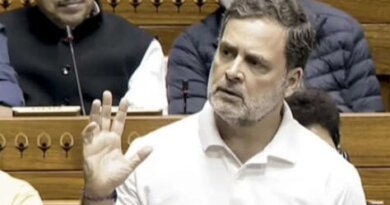
The Bharatiya Janata Party (BJP) officially approached the Election Commission today, seeking urgent action against Congress President Mallikarjun Kharge. The complaint follows a controversial statement made by Kharge in Chennai, where he allegedly used a “terrorist” reference while criticizing the Prime Minister. While Kharge later clarified that he meant the Prime Minister was “terrorizing” the democratic fabric, the BJP has termed it a gross violation of the Model Code of Conduct.
In Tamil Nadu and West Bengal, the curtains have officially come down on the high-octane election campaigning. In Tamil Nadu, 234 constituencies are set for a single-phase vote, while West Bengal prepares for its first phase covering 152 seats. Prime Minister Narendra Modi, Amit Shah, and Mamata Banerjee were among the top leaders making a final, aggressive push to win over undecided voters before the mandatory 48-hour silence period began.
Diplomatically, New Delhi focused on its expanding role in the multipolar world as India officially detailed its priorities for the 2026 BRICS Presidency. President Droupadi Murmu also made headlines by emphasizing green energy cooperation during a meeting with South Korean representatives. Simultaneously, the President returned to her home state, Odisha, to inaugurate several key development projects in Rourkela, reinforcing the central government’s focus on regional infrastructure.
In Bihar, the State Women Commission took a strong stand against Independent MP Pappu Yadav for his “uncharitable” remarks about women in politics. The commission has issued a formal notice, asking for an explanation and even suggesting that a recommendation could be sent to the Lok Sabha Speaker to declare his membership null and void. This move highlights an increasing institutional intolerance for gender-based disparagement in the political arena.
As the nation moves into a cooling-off period ahead of the polls, the focus shifts to the Election Commission’s security arrangements. With over 8,000 booths identified as “super-sensitive” in West Bengal alone, central forces have been deployed in massive numbers. The outcome of these polls is expected to be a major indicator of the national mood as the country navigates through critical administrative and legislative transitions.