Lokesh’s Ground Campaign Connecting with Every Citizen
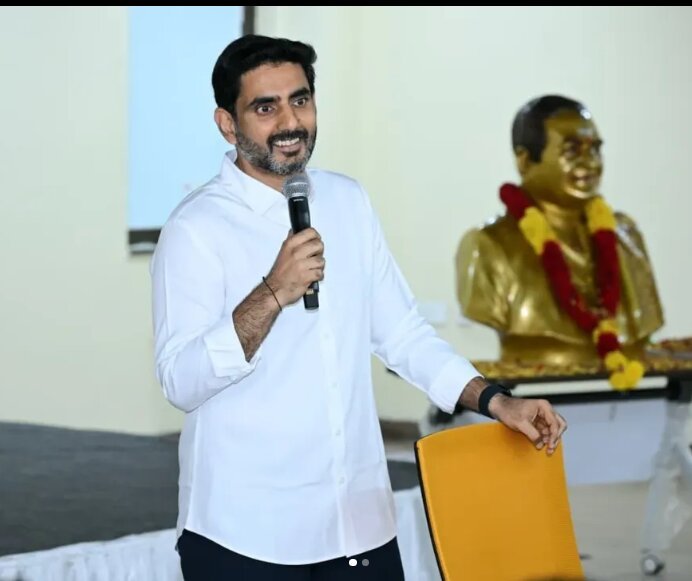
The political landscape in Andhra Pradesh is seeing a distinctive shift as Nara Lokesh, a key leader, actively focuses on a deep, ground-level outreach effort. This strategy, often referred to as a “grassroots push,” aims to build a direct and strong connection with the common citizen, moving beyond traditional campaigning methods. The effort is built on the belief that real development and political strength come from understanding and addressing the issues faced by people in their villages and localities.
This push involves extensive field visits and interactive programs. Instead of relying solely on large, staged rallies, Lokesh and his team are engaging in personal interactions, meeting with community leaders, local party workers, and everyday citizens. The goal is to collect honest, unfiltered feedback on government programs and the pressing needs of various communities.
A critical component of this grassroots strategy is the renewed focus on party workers at the village and ward levels. These dedicated individuals are being empowered and recognized as the true “owners” and backbone of the political machinery. By engaging directly with them, the leadership is attempting to fix past issues of disconnect and ensure that the efforts of the hard-working cadre are valued and supported. This internal reform is seen as vital for translating high-level policy into on-the-ground action.
Furthermore, the campaign uses modern technology to ensure a two-way communication channel. Digital tools are being used not just for broadcasting messages but also for gathering and processing feedback from the field efficiently. This blend of traditional, face-to-face interaction with modern digital management aims to create a highly responsive administrative and political structure.
This renewed focus on the base is being used to highlight the state government’s welfare schemes and development progress. Party members are urged to go door-to-door, explaining the benefits delivered to families, such as financial aid programs and improved public services. This proactive communication is crucial for building public trust and demonstrating the government’s commitment to its promises.
The campaign also has a forward-looking economic dimension. Lokesh, who handles key portfolios like Information Technology, is positioning the state as a top destination for major global investments. The goal is to bring in large-scale projects, like data centers and manufacturing units, to create employment for the youth. This economic vision is tied directly to the grassroots push: securing jobs and economic stability is the most tangible way to improve the lives of the people being met on the ground.
By prioritizing transparency, swift project execution, and an inclusive approach, the leadership is setting a new standard for governance. The entire exercise is a deliberate move to ensure that the administration remains accountable and responsive to the needs of every section of society, from farmers in rural areas to young professionals in emerging urban centers. This focus on local concerns, combined with a clear vision for large-scale development, defines the current political playbook.
In essence, this grassroots drive is more than just a pre-election strategy; it is a fundamental restructuring of how the party connects with and serves the public. The continued emphasis on humility, patience, and actively listening to grievances is a significant message being delivered to party members, stressing that a people-first approach is the only way to achieve long-term success and truly serve the state.