NDA Government in Ap Announces Enhanced BC Reservations
The political landscape in the southern state of Andhra Pradesh witnessed a major development on Tuesday.
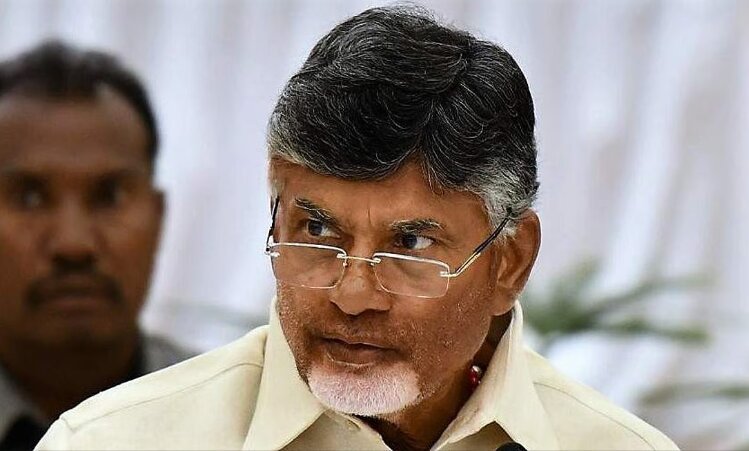
Chief Minister N. Chandrababu Naidu officially announced a crucial cabinet decision.
This major decision focuses on enhancing political reservations for Backward Classes.
The state cabinet has approved a thirty-four percent quota for Backward Classes in rural local bodies.
Additionally, a thirty-three point thirty-three percent reservation has been approved for urban local bodies.
Loud chants of Jaiho BC echoed through the legislative assembly following this historic announcement.
The Chief Minister stated that this move fulfills a major electoral promise made by the coalition government.
He emphasized that the government remains fully committed to social justice and grassroots empowerment.
The newly approved policy aims to uplift communities from the panchayat level all the way to parliament.
During his address, the Chief Minister recalled the historical roots of these welfare policies.
He noted that reservations for backward classes in local governance were first introduced by former Chief Minister N.T. Rama Rao.
Later, during previous terms, these quotas were successfully raised to thirty-four percent under panchayat raj laws.
Elections with this thirty-four percent quota were smoothly conducted across multiple years including 1995, 2001, 2006, and 2013.
The cabinet convened a special meeting to clear all legal hurdles and finalize the framework.
Officials confirmed that scheduled reservations for Scheduled Castes and Scheduled Tribes will remain completely unchanged.
Another major reform introduced during the cabinet meeting involves direct elections for urban leadership roles.
Mayors and municipal chairpersons will now be directly elected by the public.
Leaders believe this direct election system will bring much-needed stability to municipal governance.
It is also expected to prevent frequent changes in leadership caused by political realignments.
In addition to quotas, the state cabinet approved a significant restructuring of district-level administrative bodies.
The existing thirteen Zilla Parishads will now be increased to twenty-eight.
This expansion aligns directly with the recent reorganization of districts across the state.
Creating twenty-eight Zilla Parishads will ensure better administration and smoother governance at the grassroots level.
The government stressed that holding timely local body elections is necessary for financial reasons.
Completing the election process will allow the state to secure crucial rural and urban grants from the finance commission.
During the assembly session, the Chief Minister pointed out the massive population share of backward communities.
Backward classes constitute over fifty percent of the total population in Andhra Pradesh.
He praised their immense contribution to agriculture, rural infrastructure, and local economic growth.
The government plans to combine traditional community skills with modern technology to expand market reach.
Special focus will also be placed on transforming residential schools into centers of excellence for better education.
Opportunities in entrepreneurship, skill development, and employment will be scaled up for youth.
The ruling party strongly criticized the previous administration regarding past policy changes.
The Chief Minister alleged that the former regime had reduced the quota to twenty-four point fifteen percent.
He claimed that this reduction deprived thousands of aspiring local leaders of fair political representation.
He further accused the past administration of failing to protect community interests before legal forums.
Legislators and ministers from backward communities warmly welcomed the new cabinet resolution.
Several prominent leaders met the Chief Minister at the assembly to express their gratitude.
Political analysts view this decision as a strategic move ahead of upcoming local body polls.
The ruling alliance aims to consolidate its support base among rural and urban voters.
Opposition parties are expected to respond to these sweeping governance and reservation announcements shortly.
The state administration is now preparing the necessary executive orders to implement the quota system.
Election authorities will review the updated district boundaries and prepare for upcoming electoral schedules.