MEA Rejects Improper Depiction in UN World Map Proposal
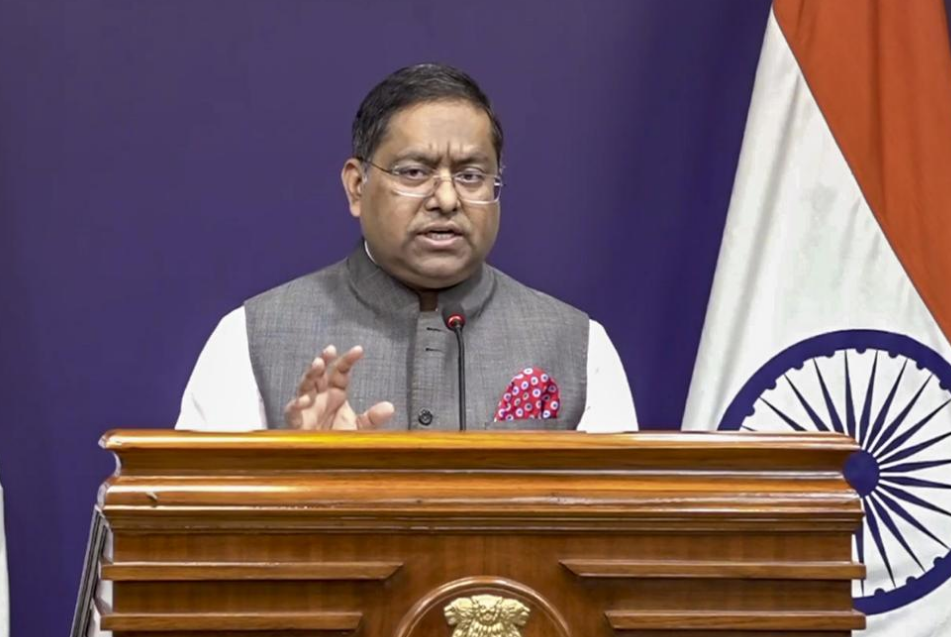
The Ministry of External Affairs (MEA) has firmly rejected a recent United Nations proposal that included what officials described as an improper depiction of India’s territorial boundaries. The move has sparked strong reactions in diplomatic circles, underscoring India’s consistent stance on safeguarding its sovereignty and territorial integrity.
According to MEA officials, the proposed world map contained representations that did not align with India’s official position on its borders. The government emphasized that such depictions are unacceptable and reiterated its demand that international organizations respect India’s established territorial claims.
The rejection was conveyed through formal diplomatic channels, with India making it clear that any attempt to misrepresent its boundaries will not be tolerated. Officials stressed that the issue is not merely symbolic but touches upon the core principles of national sovereignty and international respect.
Political observers note that India has historically taken a strong position against any external misrepresentation of its borders. The MEA’s swift response reflects both the sensitivity of the issue and the government’s determination to prevent any erosion of its territorial claims in global forums.
The controversy has also triggered discussions among policy experts, who argue that accurate cartographic representation is essential for maintaining trust in international institutions. They point out that maps are not just geographical tools but also carry political weight, influencing perceptions and narratives across the world.
Social media platforms quickly picked up the news, with hashtags related to India’s sovereignty and the UN proposal trending nationwide. Citizens expressed support for the government’s firm stance, while analysts debated the broader implications for India’s diplomatic engagement with the United Nations.
The MEA’s rejection is expected to prompt further dialogue between India and UN officials. While the immediate focus is on correcting the map, the incident may also lead to renewed discussions on how international organizations handle sensitive territorial disputes.
Civil society groups have welcomed the government’s position, emphasizing that clarity and accuracy in global representations are vital for peace and cooperation. They argue that misrepresentations, even if unintended, can fuel tensions and undermine trust between nations.
As the debate continues, India’s rejection of the UN world map proposal stands as a reminder of the importance of respecting national boundaries in international discourse. The coming weeks will reveal whether the United Nations takes corrective measures and how this episode shapes future engagements between India and global institutions.