High Drama in Lok Sabha as Women’s Reservation Bill Fails
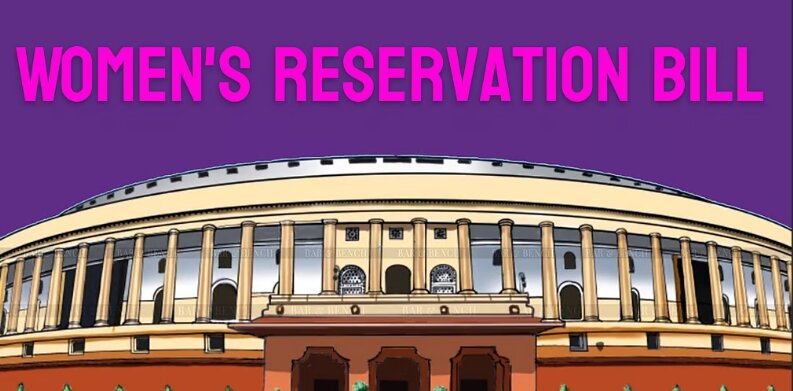
The Indian Parliament witnessed an extraordinary political showdown on April 17, 2026, as the Constitution (131st Amendment) Bill failed to secure passage in the Lok Sabha. Despite a prolonged two-day debate and a strong push from the ruling NDA, the bill fell short of the mandatory two-thirds majority required for constitutional amendments. While 298 members voted in favor of the legislation, 230 members cast their votes against it, leading to a significant legislative setback for the government during this special session.
The core of the dispute centered on the government’s plan to link the 33% women’s quota to a fresh delimitation exercise. The proposed bill sought to expand the Lok Sabha to approximately 850 seats, a move the opposition argued would unfairly reduce the political weight of southern and smaller states. Leader of the Opposition, Rahul Gandhi, termed the bill an “attack on the federal structure,” claiming it was a strategic attempt to redraw India’s electoral map under the guise of women’s empowerment.
In a sharp rebuttal, Home Minister Amit Shah accused the opposition of being “anti-women” and blocking a reform that has been delayed for decades. He maintained that the delimitation process was essential to correct the imbalance in voter-to-MP ratios and guaranteed that representation for the South would not diminish. However, following the defeat of the main amendment, the government decided to shelve two related bills concerning seat expansion, stating they could not be implemented in isolation.
The reaction from regional leaders was swift and celebratory. Tamil Nadu Chief Minister M.K. Stalin hailed the outcome as a “victory for the South,” while Congress President Mallikarjun Kharge thanked the united opposition for sniffing out what he called a “cunning ploy.” As the House adjourned, the failure of the “Nari Shakti” legislation left a vacuum in the 2029 electoral roadmap, ensuring that the debate over regional representation and gender quotas will remain a central theme in Indian politics for months to come.