Three Former TMC MPs Formally Join BJP Group
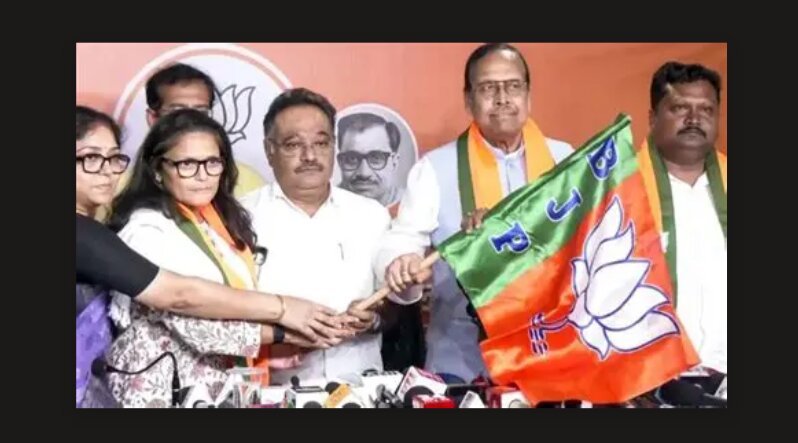
The political landscape in West Bengal took a major turn today as three prominent former parliamentarians officially changed their political allegiance. Former Rajya Sabha members Sushmita Dev, Sukhendu Sekhar Ray, and Prakash Chik Baraik formally entered the Bharatiya Janata Party. This high-profile shift comes just a few weeks after all three individuals resigned from their legislative seats in the Upper House of Parliament.
The formal induction ceremony took place at the state headquarters located in Salt Lake, Kolkata. State unit president Samik Bhattacharya welcomed the veteran leaders by presenting them with the official party flags. Senior organizational leaders attended the event to mark what is being described as a significant shift in regional legislative dynamics.
Speaking at the induction, party representatives stated that the arrival of these experienced leaders would greatly strengthen their organizational reach across the state. They highlighted that the decision of these former lawmakers reflects growing confidence in the central governance model and the leadership of the Prime Minister. The party intends to utilize their vast parliamentary experience in upcoming administrative and political campaigns.
The move follows a period of visible internal disagreement within the Trinamool Congress. The departing leaders had previously voiced specific concerns regarding local governance policies, organizational management, and public welfare execution. One of the shifting lawmakers stated that the decision was made based on evolving regional needs and personal political principles, choosing to align with a national perspective.
Unsurprisingly, the developments triggered strong reactions from the regional ruling camp. Representatives from the Trinamool Congress criticized the defections, calling the move a sign of political opportunism. They stated that the party had provided significant legislative opportunities to these individuals over the years and argued that shifting allegiances during challenging times would be noted closely by the general voting public.
Political analysts note that this development carries major implications for the upcoming Rajya Sabha by-elections. Because the three seats fell vacant after their recent resignations, the local assembly strength will play a decisive role in filling these vacancies. The sudden shift gives the opposition a clear strategic advantage in reclaiming these crucial parliamentary positions.
Beyond the immediate legislative impact, the event signals a broader realignment of political forces in eastern India. With seasoned organizers from diverse districts joining the national party, the institutional balance is expected to shift in several key constituencies. Observers believe this could trigger further changes among mid-level political workers in the coming weeks.
As the state prepares for its next political chapters, both major parties are working quickly to consolidate their support bases. The ruling regional party is holding internal meetings to keep its remaining legislative members united. Meanwhile, the newly strengthened opposition is planning extensive outreach programs to capitalize on this political momentum.