Southern Leaders Unite Against Delimitation Bill
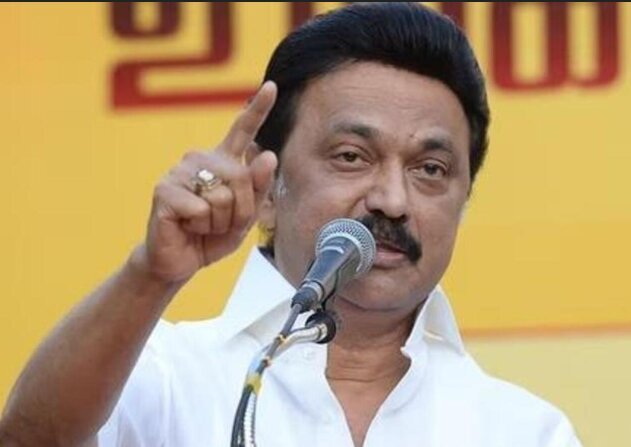
The political landscape in India has reached a critical juncture as leaders from southern states issue a stern warning to the Central Government. Tamil Nadu Chief Minister M.K. Stalin and Telangana Chief Minister Revanth Reddy have both voiced strong opposition to the proposed delimitation exercise. They argue that a population-based redistribution of parliamentary seats would unfairly penalize states that successfully implemented family planning and population control measures over the last few decades.
Chief Minister M.K. Stalin characterized the move as a direct assault on the rights of states and a threat to the federal structure of the country. Speaking on the birth anniversary of Dr. B.R. Ambedkar, he emphasized that principles of self-respect and regional autonomy must not be compromised. He warned of a massive agitation that could bring the state to a standstill if the interests of the southern people are marginalized in the upcoming special session of Parliament.
In Hyderabad, Chief Minister Revanth Reddy proposed a “hybrid model” to address the representational divide. He suggested that instead of relying solely on population data, seat allocation should give equal weight to a state’s economic contribution. Under this proposal, 50% of seats would be distributed based on population, while the remaining 50% would be determined by Gross State Domestic Product (GSDP). This model aims to reward states that serve as the nation’s economic powerhouses.
The central government intends to convene a special session starting April 16 to discuss constitutional amendments related to women’s reservation and the redrawing of constituencies. While the administration frames these changes as essential for democratic growth, southern leaders see a political conspiracy. They fear that a 50% increase in seats based on the 2011 Census will significantly boost the representation of northern states like Uttar Pradesh while leaving the South politically irrelevant.
Adding to the tension, the timing of the special session has been questioned, as it coincides with crucial election phases in West Bengal and Tamil Nadu. Opposition parties have called for a more broad-based consultative process, including an expert committee review and debates in all State Assemblies. They argue that a hurried approach to such a fundamental change could deepen regional divisions and harm national unity in the long run.
The debate also extends to fiscal federalism, with leaders pointing out the disparities in tax devolution. Southern states currently receive a much lower share of tax revenue relative to their contributions compared to northern states. Leaders warn that reducing their political weight in Parliament will further weaken their ability to negotiate for fair financial resources. This sense of economic injustice is fueling the current “Stop Delimitation” movement across the peninsula.
As the nation watches the unfolding drama in New Delhi, the southern states are working to build a united front. Revanth Reddy has indicated plans to reach out to Chief Ministers of other states, including smaller ones like Delhi and Punjab, to build a consensus. The goal is to ensure that the spirit of cooperative federalism is preserved and that developmental success is not met with political punishment.
The outcome of the upcoming legislative session will likely define the future of North-South relations for years to come. With both sides dug into their positions, the constitutional battle over how India represents its citizens is far from over. For now, the warning from the South remains clear: any attempt to dilute their political voice will be met with unprecedented resistance on the streets and in the halls of power.