
The Silent Architecture of Parenting By Anirudha Miryala
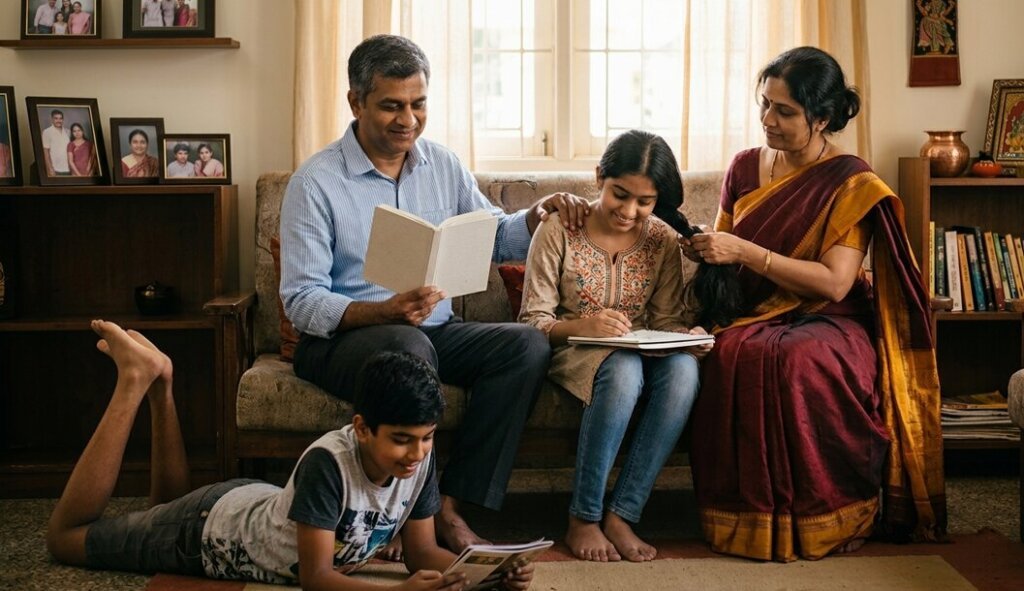
Every parent steps into an unseen role the moment a child arrives. Beyond food, clothing, and education lies a deeper responsibility — shaping the emotional and spiritual foundation of a young life. A newly released book by a mother, educator, and wellness advocate captures this truth with rare clarity. It is not a manual filled with rigid instructions, but a heartfelt guide that reminds parents of their quiet power. The author argues that parents are not just providers; they are architects of a child’s inner world. Every word spoken, every reaction given, and every act of love or discipline becomes part of the blueprint a child carries into adulthood.
The book emphasizes that children do not merely listen to advice — they absorb behavior. The home, therefore, becomes the most powerful classroom they will ever attend. A calm, intentional, and warm environment nurtures confidence and resilience, while chaos or neglect leaves invisible scars. With compassion, the author acknowledges the challenges of modern parenting: digital distractions, academic competition, financial stress, and the isolation of nuclear families. Yet she insists that perfection is not the goal. Awareness and consistent effort are what truly matter. Parents who understand their role deeply, even if imperfectly, give their children a foundation that cannot be shaken.
What makes this book stand out is its blend of lived experience and practical wisdom. It does not lecture parents but walks beside them, offering encouragement and understanding. From nutrition to emotional intelligence, from storytelling to meditation, it covers the full spectrum of a child’s growth. Each chapter leaves the reader not with a checklist, but with a renewed sense of purpose. The writing carries authenticity — the voice of someone who has lived these lessons, not merely studied them. This makes the book both relatable and inspiring, a rare combination in parenting literature.
The author’s message is simple yet profound: raising a child well is the most important work any human being can do. Parents are reminded that their influence is lasting, shaping not just the present but the future of their children. The book insists, lovingly, that every parent has the capacity to succeed in this role. It is not about grand gestures but about small, consistent acts of love and awareness. In this way, the book becomes both a mirror and a roadmap — reflecting the realities of parenting while guiding families toward growth and harmony.
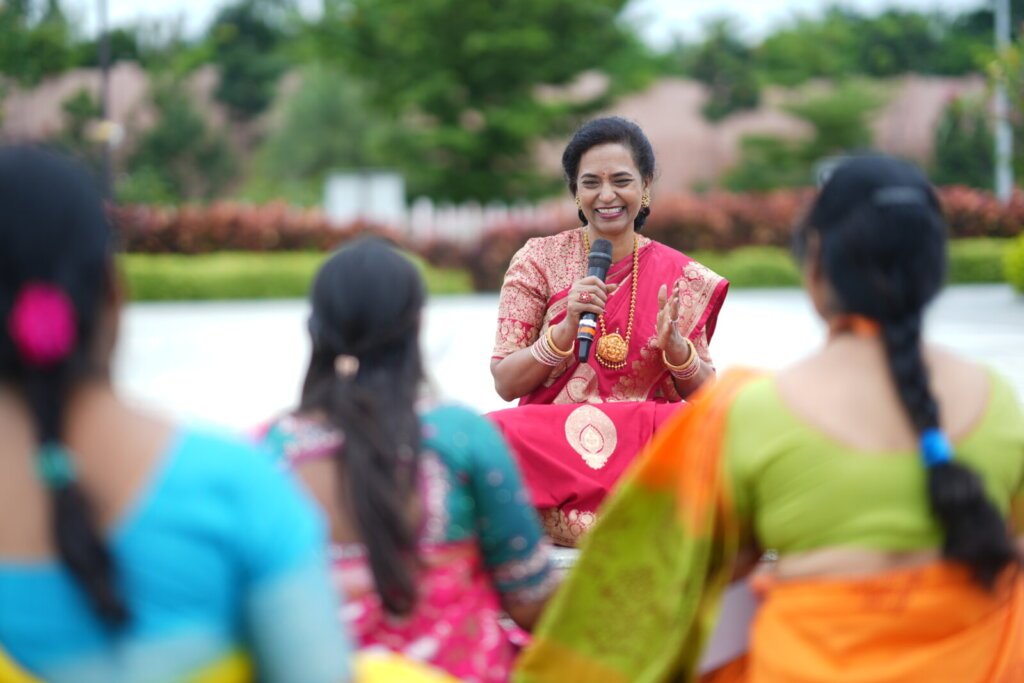
Few works manage to combine practicality with heart as seamlessly as this one. It inspires without overwhelming, offering insights that parents can return to at every stage of their child’s journey. The author’s courage in sharing her own experiences gives the book a rare authenticity. It is not theory, but lived truth — a gift to parents everywhere. By reminding families that the home is the most powerful classroom, the book elevates parenting from a daily duty to a sacred responsibility. It is a call to every parent to embrace their role as the silent architects of their child’s future.
The book also highlights the importance of small, everyday rituals that parents often overlook. Simple acts like sharing meals together, listening without interruption, or telling bedtime stories become powerful anchors in a child’s memory. These moments, though ordinary, carry extraordinary weight in shaping trust and emotional security. The author reminds parents that children thrive not on grand gestures, but on consistent presence. In a world where time feels scarce, these rituals become the quiet investments that yield lifelong returns in a child’s confidence and sense of belonging.
Equally compelling is the book’s call for parents to nurture themselves alongside their children. The author argues that a parent’s emotional health directly influences the atmosphere of the home. Stress, fatigue, and unresolved emotions often spill into parenting, affecting children in subtle but lasting ways. By encouraging practices like mindfulness, balanced nutrition, and self-reflection, the book positions parental well-being as inseparable from child well-being. It is a reminder that raising a child is not only about giving — it is also about sustaining the giver. In this way, the book becomes a guide not just for parenting, but for family harmony as a whole.