RTC Staff Launch Phase 2 Agitation
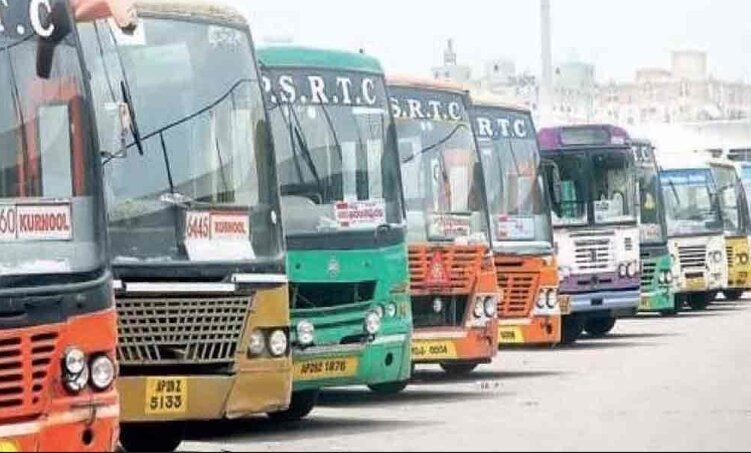
The Joint Action Committee representing public transport workers in Andhra Pradesh officially announced their second phase of statewide demonstrations.
This decision follows a major union meeting where employee leaders expressed deep concerns regarding changes within the corporation.
The primary cause of the unrest stems from the state administration’s strategy regarding the operation of newly introduced electric buses.
According to employee representatives, letting private operators run these environmentally friendly vehicles introduces a form of backdoor privatization.
Furthermore, union members are strongly opposing the long term lease of valuable public bus depot lands to private entities.
They claim that several active depots are already seeing land reallocations, which could undermine the financial security of the state corporation.
To express their dissatisfaction, transport workers plan to wear distinct identity badges while performing their regular duties on specified dates.
The agitating groups will also launch a large scale awareness drive to gain support from public representatives across all political parties.
A comprehensive signature campaign will soon take place among all transport staff members to collect formal entries for a combined memorandum.
These compiled petitions will later be delivered directly to regional administrative heads during public grievance programs.
Aside from privatization fears, the workforce is demanding immediate action regarding prominent labor issues and long pending staff benefits.
They are requesting the immediate procurement of additional state owned vehicles to handle rising passenger numbers following recent welfare schemes.
The employees are also highlighting extreme heavy workloads due to thousands of vacant operational roles that need urgent recruitment.
Financial demands including the clear settlement of dearness allowance arrears and the setup of the latest pay revision commission were also raised.
The committee stated that if their appeals do not receive a concrete response from the administration, they will plan a third phase.