Intensifying Political Heat Over Local Body Elections
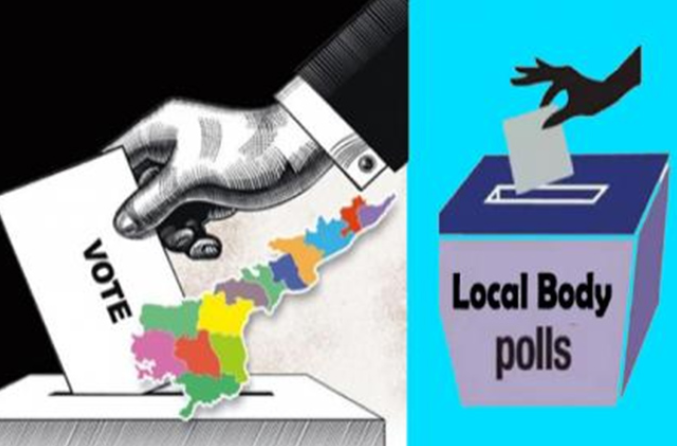
Political excitement is touching new heights across Andhra Pradesh as major parties gear up for upcoming local body polls.
The state election commission and local administrative wings are moving swiftly through voter list revisions and ward delimitations.
Recent regulatory amendments introduced by the state government have cleared paths for direct elections of municipal chairpersons and city mayors.
This major procedural change has completely shifted how political parties approach grassroot campaigning and candidate selections across various districts.
Ruling coalition leaders are actively highlighting structural reforms, developmental agendas, and welfare commitments to secure strong public support in rural areas.
Meanwhile, prominent opposition figures are raising questions regarding procedural timelines, administrative fairness, and reservation implementation frameworks.
Cabinet ministers recently reiterated the government’s strong commitment toward backward class empowerment, promising substantial political representation in upcoming local governance structures.
Party offices in both urban centers and rural mandals are buzzing with intense discussions, strategy meetings, and membership enrollment drives daily.
Local leaders are busy organizing community interactions to evaluate public mood and address localized civic grievances before official notifications drop.
Legal scrutiny surrounding pending petitions in higher courts has kept political observers on edge regarding final poll schedules.
Despite pending legal clearances, party cadres have already initiated ground-level groundwork, distributing pamphlets and organizing ward-level corner meetings.
Youth wings and women’s wings of rival political formations are intensifying digital campaigns to influence undecided voters across urban local bodies.
Political analysts note that these upcoming grassroots contests will serve as a crucial semi-final barometer for state-level political stability.
As party headquarters finalize candidate shortlists, internal competition for ticket allocation has triggered mild friction within both ruling and opposition camps.
Senior leaders are working round the clock to pacify dissenters and maintain unified fronts to avoid vote splits in crucial wards.
Electoral officers are simultaneously conducting rigorous training sessions for polling personnel to ensure free, fair, and transparent voting experiences.
Security arrangements are also being reviewed by district authorities to identify sensitive polling booths and maintain absolute peace during campaigns.
Public attention remains firmly glued to daily press briefings and political counter-attacks traded by prominent spokespersons from major political factions.
With high stakes involved for every political player, village and municipal electoral battles promise fierce competition in the coming weeks.
The coming days will test the organizational strength, financial preparedness, and mass appeal of all major political outfits across the state.