
Legal Battle Over Mega DSC-2025: CBI Probe Demanded
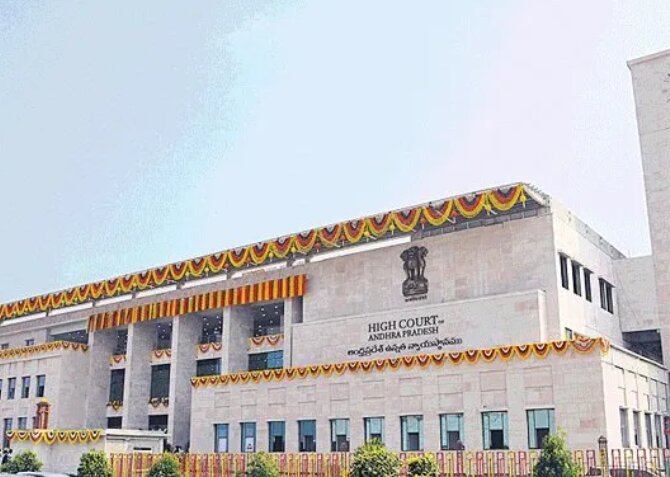
The judicial landscape in southern India witnessed a major development regarding teacher recruitment.
A prominent public interest litigation has drawn deep scrutiny toward state employment policies.
Legal experts have stepped forward to address alleged flaws in a massive educator selection drive.
Thousands of hopeful aspirants across the region are closely watching these ongoing courtroom proceedings.
The central petition demands an independent federal investigation into the entire administrative selection sequence.
Senior legal counsels representing the petitioner presented detailed arguments before the high bench.
They emphasized that the observed discrepancies were not merely isolated administrative errors or minor mistakes.
Instead, the legal team characterized the situation as a widespread failure of institutional integrity and transparency.
The core petition urges the federal agency to look deeply into every stage of the recruitment.
This includes question paper design, examination administration, and final candidate verification steps.
Particular focus was directed toward sudden alterations made to specific reservation policies.
Reports indicate that adjustments occurred just before the official notification was published statewide.
Specifically, the sports category reservation percentage was altered without extensive public consultation.
Furthermore, mandatory preliminary qualification thresholds for certain applicants were allegedly removed overnight.
Critics argue these sudden changes favored a narrow group of pre-selected candidates unfairly.
The legal arguments also highlighted questionable credential submissions during the physical verification rounds.
Sample certificates presented in the courtroom allegedly belonged to local-level participation events only.
Such documents failed to meet the required national or state-level athletic standards.
Because complete merit lists remain unpublished, attorneys gathered much of their data through transparency acts.
Many affected job seekers allegedly hesitate to approach authorities directly due to fear of intimidation.
Public pressure eventually forced the administration to retract some disputed policy circulars.
However, the initial implementation of those rules continues to raise serious ethical questions.
Opposition voices and independent observers claim the retraction itself proves prior administrative wrongdoing.
They argue that defensive maneuvers by officials cannot erase the shadow cast over the selection.
Meanwhile, thousands of unemployed youths demand absolute fairness and transparency in public governance.
The state high bench listened carefully to all preliminary submissions from the legal representatives.
After brief deliberations, the judges decided to post the main matter for further hearing.
The upcoming sessions will determine whether an extensive federal agency inquiry will be formally ordered.
This high-stakes legal battle holds immense importance for future employment procedures across the region.
Stakeholders hope the final judicial verdict will restore complete faith in public sector hiring.


I have been exploring this platform for a while now and the experience is truly refreshing. The interface is smooth and customer support responds quickly. Highly recommend giving it a try if you want a reliable spot to play and win. idmacanempire