Union Minister Kishan Reddy Criticizes Congress Leadership
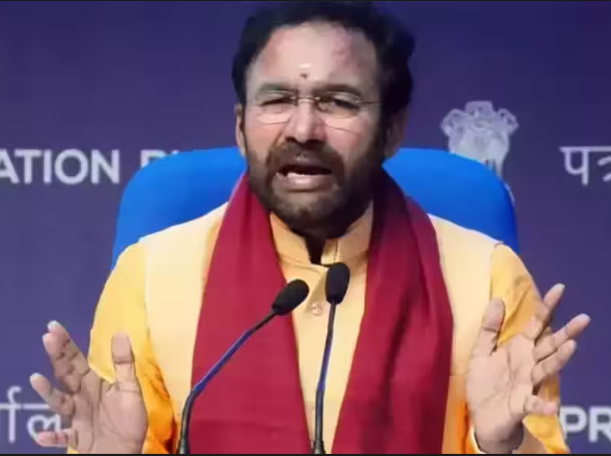
Political tensions in the state reached a new high following sharp verbal attacks from senior political figures against the ruling party leadership.
Union Minister G. Kishan Reddy openly criticized top opposition figures for maintaining double standards regarding freedom of expression.
He pointed out that while national opposition leaders frequently demand absolute freedom to protest in the national capital, local administrations suppress opposition voices.
According to his statements, regional party members face regular restrictions, house arrests, and preventive police custody whenever they try to raise public issues.
The senior leader argued that genuine democratic values must apply equally across all states instead of being used merely as a political tool.
He questioned the logic behind stopping peaceful demonstrations organized by political opponents over pressing local concerns and public grievances.
The public debate intensified as both sides exchanged sharp remarks concerning administrative accountability and the right to peaceful assembly.
Local party units have welcomed these remarks, claiming that grassroots workers face constant administrative hurdles when questioning government policies.
Political commentators note that these ongoing ideological clashes are setting the tone for upcoming electoral battles across various regional constituencies.
The central leadership of the party intends to sustain pressure on the state administration to ensure fair treatment for all political actors.
Public meetings and press briefings are being lined up by regional units to amplify these concerns among ordinary citizens and voters.
Observers believe that such confrontations will likely dominate public discourse in the coming days as political parties gear up for intense campaigns.
The ruling party leadership has yet to issue a detailed formal rebuttal to these specific accusations raised by the union minister.
Meanwhile, party cadres are mobilizing support at the grassroots level to counter the narrative set by opposition leaders.
The friction between state authorities and national opposition representatives highlights the deep political polarization currently prevailing in the region.
As debates continue to unfold, citizens and voters remain watchful of how these political dynamics will impact governance and local development.