Supreme Court Stays Defamation Proceedings Against Rahul Gandhi
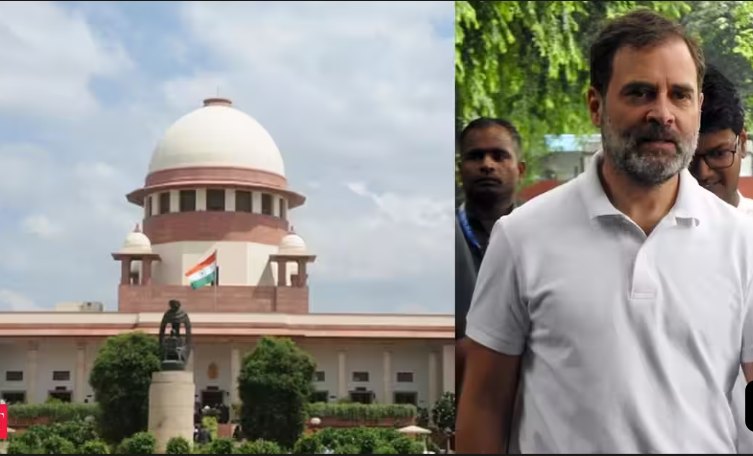
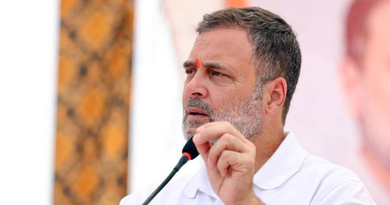
The legal and political landscape witnessed a major development as the apex court stepped into a high-profile dispute involving senior national politicians. The Supreme Court of India officially issued an interim stay on criminal defamation proceedings directed against prominent opposition leader Rahul Gandhi. This legal challenge originated from controversial political remarks made during a public address concerning high-level defense procurement discussions. Legal representatives appearing for the petitioner argued that prior rulings established clear precedents regarding similar political speech controversies across different states. The bench consisting of senior justices examined the preliminary submissions before deciding to halt further trial court proceedings. Notices were formally issued to the state administration and the original complainant, granting a window of four weeks to file their official responses. Political analysts note that this legal intervention provides temporary relief to the Lok Sabha opposition leader amid ongoing national legislative engagements.
The original complaint had claimed that critical expressions used during public rallies caused reputational harm and targeted specific public figures. Defense counsels maintained that the statements formed part of routine political critique and democratic accountability rather than personal defamation. Courts across the country frequently deal with petitions concerning the limits of free speech versus the protection of individual reputations in public life. The legal battle highlights the complex nature of managing political speech regulations within the framework of modern democratic governance. Party supporters welcomed the interim relief, viewing it as a significant safeguard for political expression and parliamentary dissent. Meanwhile, legal experts are closely monitoring how the apex court will interpret statutory guidelines on criminal defamation in subsequent hearings. The matter is scheduled to come up for detailed arguments after the completion of the four-week notice period.
Until then, all lower court proceedings connected to this specific controversy remain completely suspended under judicial orders. Public interest in the case remains exceptionally high as it touches upon core questions involving freedom of speech and political accountability. Political circles anticipate intense debates both inside and outside the courtroom as the legal timeline progresses toward its final resolution. Both ruling and opposition camps continue to analyze the broader implications of these judicial proceedings on ongoing national political narratives. The eventual verdict is expected to set a major benchmark for how political remarks and defamation claims are handled by the judiciary. As the case pauses for the mandated response period, attention shifts back to legislative duties and broader national political developments.