Telangana municipal elections update: key strategies shaping the polls

The municipal elections in Telangana have become the center of political attention this season, with ruling and opposition parties preparing their strategies to secure dominance at the grassroots level. Leaders are holding back-to-back meetings to finalize candidate lists, campaign schedules, and promises that resonate with urban and semi-urban voters. The ruling party is focusing on development narratives, highlighting infrastructure projects, welfare schemes, and promises of better civic amenities. Meanwhile, opposition parties are sharpening their criticism, pointing to gaps in governance and pledging transparency and accountability. The atmosphere across districts is charged with anticipation as citizens await the unfolding of campaigns that will decide the future of local governance.
Campaigning has already picked up pace in Hyderabad, Warangal, Khammam, and other key municipalities. Party workers are engaging in door-to-door outreach, social media campaigns, and public rallies to connect with voters. The ruling party is banking on its recent initiatives in housing, sanitation, and digital services, while the opposition is emphasizing issues like water supply, road maintenance, and corruption in municipal bodies. The Election Commission has announced strict monitoring of campaign expenses and adherence to guidelines, ensuring a fair contest. With multiple parties vying for control, alliances and tactical seat-sharing are also being discussed to maximize influence in competitive wards.
The role of youth and women voters is expected to be decisive in this election. Political parties are tailoring their promises to attract these groups, with commitments to skill development, employment opportunities, and safety measures. Civic issues such as waste management, pollution control, and smart city projects are also being highlighted to appeal to urban voters. Analysts believe that the municipal elections will serve as a litmus test for the ruling party’s popularity ahead of larger state-level contests. The opposition, on the other hand, sees this as an opportunity to strengthen its base and challenge the dominance of the ruling party in urban centers.
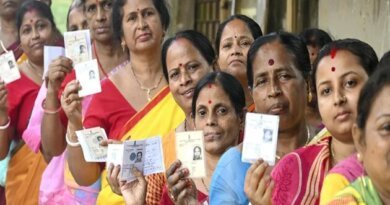
Security arrangements are being tightened across municipalities to ensure peaceful polling. Police forces are being deployed in sensitive areas, and surveillance systems are being upgraded to prevent any untoward incidents. The Election Commission has also introduced digital monitoring tools to track violations and ensure transparency. Voter awareness campaigns are being conducted to encourage higher turnout, with special focus on first-time voters. The enthusiasm among citizens is evident, as discussions about candidates and parties dominate public spaces, tea stalls, and social media platforms. The elections are not just about local governance but are being seen as a reflection of the larger political mood in Telangana.
As the polling date approaches, the competition is intensifying with promises, counter-promises, and sharp exchanges between leaders. The municipal elections are shaping up to be more than just a contest for civic bodies; they are becoming a battleground for political relevance and future strategies. The outcome will determine not only the control of municipalities but also the narrative for upcoming state elections. Citizens are watching closely, weighing promises against past performance, and preparing to cast their votes in what is expected to be a closely fought and significant election.