Nitish Kumar Shifts to National Role
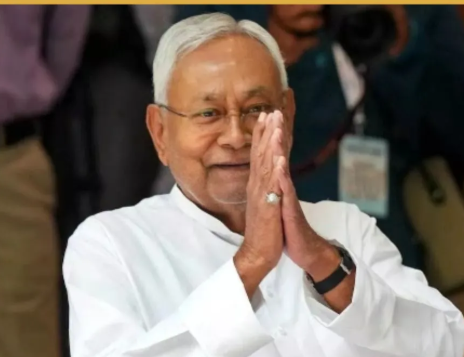
Nitish Kumar has officially concluded his long-standing tenure in Bihar state politics. After serving as the Chief Minister for nearly two decades, he has transitioned to the Rajya Sabha. This move signals a major shift in the political landscape of Bihar and the nation.
For twenty years, Kumar remained the central figure of Bihar’s administration. His leadership was defined by a focus on social engineering and infrastructure development. By moving to the upper house of Parliament, he marks the end of an era that reshaped the state’s governance and political alliances.
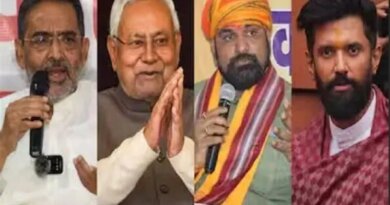
The resignation from the State Legislative Council was formal and deliberate. It opens the door for a new leadership structure within the state. Political observers are now watching closely to see who will succeed him in the top post. Speculation is growing about the role of the alliance partners in this transition.
While Kumar moves to New Delhi, his influence over Bihar’s future remains significant. His deep understanding of regional issues is expected to bring a strong voice to the Rajya Sabha. This transition is not just a change of office but a strategic realignment for his political party.
The departure comes at a time when national politics is gearing up for major shifts. Kumar’s experience in managing complex coalitions will be a vital asset in the Parliament. As he takes his new seat, the focus shifts to how Bihar will navigate this sudden leadership vacuum.
The state now enters a period of transition as various factions vie for influence. New leaders are expected to emerge from the current assembly to carry forward the administrative mantle. This change marks a milestone in India’s democratic journey, highlighting the evolution of long-term regional leaders.