KTR Demands Resignations of Defected MLAs Following High Court Verdict
Regional politics in southern India witnessed a major legal turn. The state judiciary delivered a crucial verdict on floor-crossing legislators. A senior opposition leader responded swiftly to this landmark judicial order. He urged the ruling administration to respect constitutional boundaries and norms. Several elected representatives had previously switched their original political allegiances. Such movements triggered intense debates regarding democratic ethics and public trust. The recent court ruling specifically targeted a high-profile legislative switch. Judicial authorities declared a specific assembly seat officially vacant. This decision set a powerful precedent for ongoing legislative disputes. Opposition figures immediately capitalized on the legal outcome.
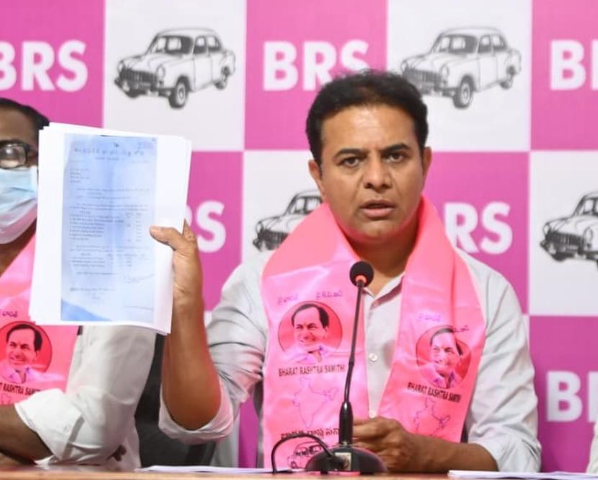
The primary opposition party leader addressed local supporters during a gathering. He challenged the ruling party leadership to test their public backing. Every politician who abandons their original mandate should step down. Facing a fresh electoral mandate is the only ethical path forward. Citizens deserve absolute loyalty from the leaders they elect into power. Switching camps mid-term undermines the fundamental essence of representative democracy. The ruling administration faced mounting pressure from various political fronts. Critics argue that encouraging party jumpers damages institutional integrity completely. Legal experts are closely examining the broader implications of this verdict. Speaker decisions regarding disqualification petitions now face rigorous judicial oversight. Further legal battles are expected in higher courts in the coming days. Affected lawmakers are exploring options to challenge the disqualification order. Meanwhile, party cadres are gearing up for potential by-elections. Local political equations are shifting rapidly across various regional constituencies.
Voters are closely watching how political parties handle this moral crisis. Democratic accountability remains a core pillar for a stable governance system. Electoral commissions may soon need to prepare for unexpected local polls. The outcome of these legal battles will shape future political strategies. Political survival depends heavily on maintaining clean public perceptions and trust. Regional parties are strengthening their grassroots campaigns to mobilize supporters. Public debates on anti-defection laws have gained renewed momentum nationwide. Legislative assemblies must uphold the sanctity of anti-defection provisions strictly. Party switchers often face severe backlash from disappointed local voters. Elected representatives take solemn oaths to serve their chosen party platform. Violating that trust breaks the unspoken contract between voters and leaders. The opposition camp plans to launch statewide awareness programs shortly. Pressure will be maintained on all turncoat legislators until final resolutions occur. Parliamentary democracy thrives only when elected officials respect constitutional rules. Future legislative sessions will likely witness fierce debates over this issue. Transparency and moral governance remain paramount for long-term political success.