Anti-Paper Leak Legislation in Parliament
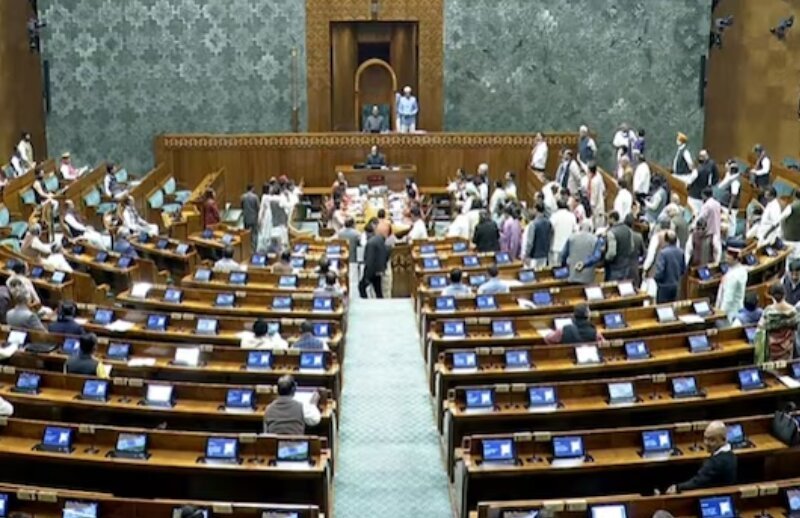
The Indian Parliament recently witnessed a major legislative step aimed at protecting the future of millions of young students across the country.
During the ongoing monsoon session, the central government formally introduced a powerful new amendment bill in the Lok Sabha.
This key legislation targets the deep-rooted challenges of examination malpractices and fraudulent question paper leaks.
Recent years have seen immense stress among students due to recurring irregularities in high-stakes public competitive tests.
The newly proposed framework seeks to heavily upgrade the existing legal measures established under previous administrative rules.
Under the updated provisions, individuals caught tampering with question papers face significantly harsher criminal punishments and jail terms.
The minimum prison sentence for regular offenders has been raised to provide a much stronger legal deterrent.
Furthermore, those found guilty of operating structured syndicates or organized cheating rings face up to ten years behind bars.
Financial penalties have also been scaled up exponentially to strip wrongdoers of illegal profits amassed through exam fraud.
Massive fines running into crores of rupees are now designated for service providers and institutions involved in major security breaches.
The draft rules outline nearly fifteen distinct types of illegal acts that compromise test integrity, including fake websites and OMR tampering.
To ensure swift justice, the legislation mandates the creation of specialized fast-track courts across different states and union territories.
Investigations into reported paper leaks must now follow a strict timeframe and wrap up within a strict two-month window.
Trial proceedings in the designated fast-track courts are expected to conclude within a few months of filing official chargesheets.
The central administration will also gain the authority to deploy specialized task forces to handle complex, cross-state cheating networks.
Opposition members inside the parliament raised sharp questions regarding past administrative failures during the introduction of these amendments.
Despite stormy scenes and loud disruptions on the floor of the house, debate on the urgent matter moved forward.
Education analysts believe these strict measures will restore faith and transparency within national recruitment and entrance examinations.
Honest candidates who spend years preparing for tests like medical and civil service entrances stand to benefit the most.
The government hopes that combining legal deterrence with institutional reform will permanently secure the academic evaluation landscape.