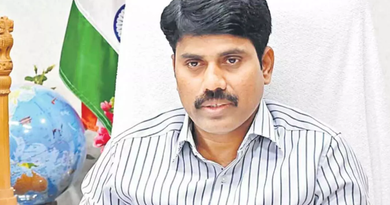
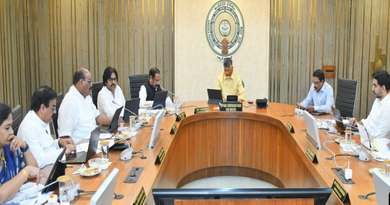
YSRCP Chief Y.S. Jagan Mohan Reddy Alleges Rigging and Protests

The political landscape in Andhra Pradesh has witnessed a sharp escalation following the conclusion of the recent urban local body and rural constituency elections.
Yuvajana Sramika Rythu Congress Party president and former chief minister Y.S. Jagan Mohan Reddy has come forward to strongly contest the integrity of the entire electoral process.
During a detailed media address, the opposition leader stated that the elections held across various civic bodies and local segments failed to meet democratic standards.
He categorized the exercise as a forced selection rather than a genuine election due to systemic manipulations.
According to statements issued by the party leadership, opposition candidates faced major hurdles during the initial nomination filing stages.
Party representatives claimed that several aspirants were physically blocked or discouraged from submitting their official paperwork in multiple districts.
Furthermore, allegations were raised concerning widespread intimidation of polling agents and party workers on the ground.
The YSRCP chief specifically pointed to anomalies regarding voter turnout data and reported numbers from major municipal corporations.
He questioned sudden shifts in recorded polling percentages between closing hours and the final official bulletins released the following morning.
Such statistical variations, according to the party, point toward serious irregularities during the management of strong rooms and ballot counting.
Complaints were also formally lodged regarding the lack of proper functioning or transparency concerning closed-circuit television coverage at critical counting centers.
The opposition leadership asserted that local law enforcement machinery failed to maintain neutrality, allegedly cooperating with ruling party members to exert undue influence.
In response to these developments, party workers staged localized protests and sit-in demonstrations outside administrative offices demanding immediate administrative intervention.
The party has emphasized that it will pursue all available democratic and legal recourses to address what it describes as a systematic subversion of people’s mandates.
Political analysts observe that these sharp confrontations highlight deep-seated rivalries defining grassroots governance battles in the state.
State election authorities and district administrators have maintained that protocols were observed, while continuing to oversee the final administrative formalities.
As the dust settles on the civic body results, the political friction between the ruling coalition and the opposition continues to dominate public discourse across the region.
The ongoing war of words underscores the intense friction surrounding local governance and regional dominance in Andhra Pradesh.
Both sides remain locked in a battle of narratives regarding institutional fairness and accountability.
This unfolding political chapter sets the tone for future legislative and local administrative challenges in the state.