BJP Leaders Bandi Sanjay and Etela Rajender Target Rahul Gandhi
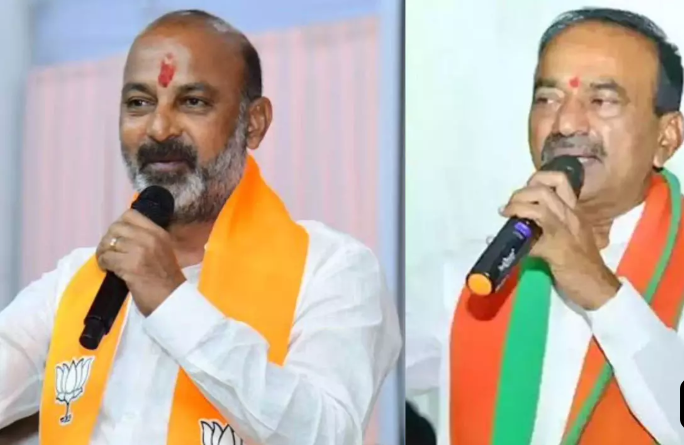
Political friction in the region has reached a new peak. Senior leaders from the Bharatiya Janata Party launched a sharp critique. Their statements targeted the recent political events in the state. Prominent BJP figures questioned the motive behind recent opposition visits. Public gatherings became the platform for fierce verbal exchanges. State leaders gathered to address local party workers and supporters. The discussion centered heavily on national political figures visiting the region. Critics argued that external leaders lack understanding of local realities. Party spokespersons emphasized that empty promises will not fool citizens. Local development issues should take precedence over political tours. Observers noted the intensity of the ongoing political sparring. Tensions rose as both sides exchanged sharp political accusations. Public attention remains focused on the escalating verbal duels. State administrators continue monitoring the unfolding political drama. Citizens expressed mixed reactions to the ongoing political debates. Media cameras captured every moment of the intense press conferences. Opposition strategies faced strict scrutiny from regional leaders. Party members rallied behind their respective local figures. Electoral calculations drive much of the current political rhetoric. Voters watch closely as parties position themselves for upcoming contests. Senior officials urged restraint to maintain public peace and order. Political analysis indicates a hardening of stances on both sides. Grassroots workers absorb the impact of these high-level clashes. Campaign preparations are shifting into higher gear across districts.
Public meetings draw large crowds eager to hear political leaders. Counter-allegations fly back and forth through media channels daily. Analysts predict further escalation as political calendars fill up. Community leaders called for a focus on constructive governance. Economic development remains a core talking point for all factions. Regional autonomy and state rights form key pillars of debate. Party platforms emphasize distinct visions for future growth. Voters demand accountability and transparent execution of promises. Local representatives face tough questions during public interactions. Administrative machinery works independently amidst political noise. Law enforcement agencies maintain vigilance across all sensitive areas. Public forums provide spaces for citizens to voice concerns. Social media platforms amplify every political statement instantly. Digital engagement shapes modern political discourse significantly. Campaign managers refine messaging to appeal to diverse demographics. Youth participation adds dynamic energy to regional political activities. Senior politicians rely on historical precedents to back arguments. Policy debates touch upon employment, infrastructure, and welfare. Citizens weigh the competing claims made by political opponents. Institutional strength remains a vital topic of national discussion. Transparency in governance continues to be a central demand. Local assemblies reflect the broader ideological battles nationwide. Party workers display high enthusiasm despite challenging weather. Regional media outlets provide extensive coverage of developments. Editorial columns analyze the long-term impact of these events. Public discourse shifts rapidly with each new political statement. State capitals buzz with constant political consultations and strategy. Leadership summits bring together figures from diverse backgrounds. Collaborative approaches are sometimes sidelined by intense rivalry. Voters appreciate leaders who address daily livelihood challenges. Grassroots feedback helps parties adjust their campaign tracks. Political analysts stress the importance of constructive dialogue. Electoral outcomes depend heavily on last-minute voter shifts. Administrative protocols guide official responses to political moves. Public trust is earned through consistent service and delivery. Regional aspirations require careful handling by central leadership. Political parties test new messaging strategies in urban centers.
Rural communities focus primarily on agricultural support systems. Industrial growth remains a critical metric for state evaluation. Educational reforms attract attention from student organizations. Healthcare accessibility is a persistent topic in public meetings. Infrastructure projects generate both praise and sharp criticism. Environmental concerns influence modern policy planning discussions. Legal frameworks ensure fair competition among political entities. Public awareness campaigns educate voters on electoral rights. Democratic traditions remain resilient through turbulent cycles. Community resilience helps maintain harmony during heated campaigns. Future policy directions will emerge from these political debates. Stakeholders review progress reports on regional development goals. Public expectations drive leaders toward greater transparency. Continuous engagement keeps the political landscape vibrant. Observers await further announcements from major party headquarters. The political momentum shows no signs of slowing down soon. Citizens look forward to peaceful and fair electoral processes. Every voice contributes to the rich tapestry of democracy. The unfolding narrative continues to capture national attention.