West Asia Conflict Sparks High-Stakes National Debate
India’s political center is currently dominated by the escalating West Asia conflict, which has entered its fourth week. Prime Minister Narendra Modi addressed the Rajya Sabha today to outline the government’s strategic position. He emphasized that the situation is deeply concerning and could have long-term global impacts. The Prime Minister assured the nation that India is fully prepared to handle any disruptions to energy and trade routes, particularly the critical Strait of Hormuz.
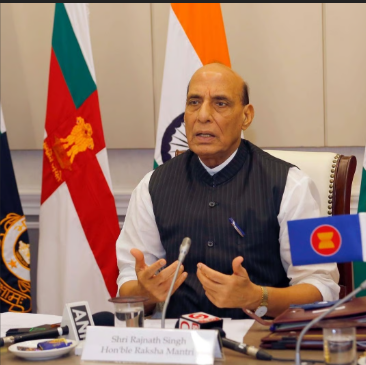
The government has taken proactive steps by calling an all-party meeting scheduled for tomorrow. This gathering aims to build a unified political stance as tensions continue to rise internationally. Defence Minister Rajnath Singh also chaired a high-level review today with top military officials to assess India’s defense preparedness. The focus remains on safeguarding the one crore Indian nationals living in the Gulf region and ensuring the stability of domestic fuel and fertilizer supplies.
However, the opposition has raised sharp criticisms regarding the government’s diplomatic approach. Leader of the Opposition Rahul Gandhi accused the Prime Minister of making foreign policy too personal and failing to act independently of international pressures. Opposition parties, including the Congress and TMC, expressed frustration over not being allowed to ask questions in the House following the Prime Minister’s statement. They have labeled the current strategy as inadequate and a “universal joke” on the global stage.
In other legislative news, the Lok Sabha passed the Transgender Persons (Protection of Rights) Amendment Bill, 2026, by a voice vote. The bill has sparked a heated debate over gender identity rights and biological markers. While the government argues the bill provides necessary legal protection and prevents the misuse of reservations, opposition members claim it violates human dignity. The bill is now expected to face further scrutiny in a select council as civil rights groups voice their concerns.
Additionally, the Supreme Court has made a significant clarification regarding Scheduled Caste status. The court confirmed that SC status is reserved only for those following Hindu, Sikh, or Buddhist faiths. This ruling clarifies that individuals converting to other religions will no longer be eligible for these specific benefits. This decision is expected to have a ripple effect across various states, influencing both social policy and future political campaigns as parties adjust their platforms.