US Tariff Bill and Solar Exit Pressure India
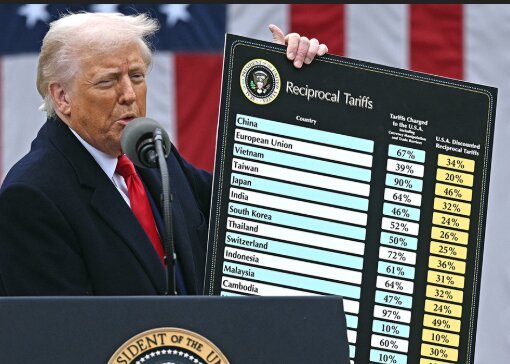
India faces a complex diplomatic challenge today as U.S. President Donald Trump greenlit a bipartisan sanctions bill that could impose staggering 500% tariffs on nations purchasing Russian oil. This legislative move, titled the “Sanctioning of Russia Act 2025,” is designed to cripple the economic lifelines supporting the conflict in Ukraine. By targeting major buyers like India and China, Washington aims to exert maximum leverage to force an end to the war.
The pressure on New Delhi intensified further as the U.S. officially announced its withdrawal from the International Solar Alliance (ISA). Founded by India and France in 2015, the ISA is a cornerstone of India’s global climate leadership. The U.S. administration labeled the organization “redundant” and “contrary to American interests,” marking a significant retreat from multilateral climate cooperation. This double blow impacts both India’s energy security and its standing in the global green energy transition.
Domestically, Indian refiners have already begun adjusting to the shifting landscape. New mandates now require weekly reporting of crude oil purchases to provide greater transparency to international partners. While India has substantially reduced its Russian oil imports from their 2024 peak, the threat of 500% tariffs remains a critical concern for trade stability. Government officials are currently evaluating the impact on labor-intensive export sectors like textiles and gems, which could face severe retaliatory measures.
Despite these external pressures, India continues to prioritize its national interest and energy affordability. The Ministry of External Affairs has reiterated that energy decisions remain sovereign, even as trade talks with Washington continue. As the global community watches these developments, the focus remains on how India will balance its strategic autonomy with the need to maintain stable economic ties with the United States amidst these sweeping policy shifts.