Tensions Flare in AP Council Over Democracy News
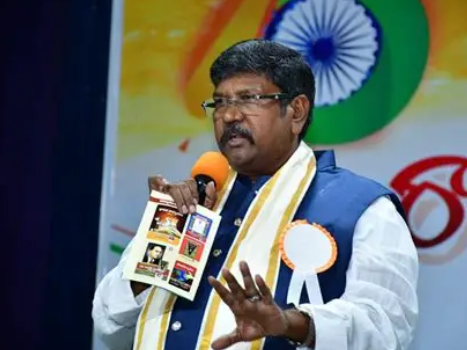
The Andhra Pradesh Legislative Council witnessed unprecedented scenes as a high-stakes debate turned into a major political standoff. Members of the YSRCP opposition launched a fierce protest, characterizing the day’s events as a direct “attack on democracy.” The turmoil began during a discussion on sensitive state issues, leading to sharp exchanges that quickly moved beyond policy into personal and ideological territory.
The primary point of contention centered on remarks made by Agriculture Minister Kinjarapu Atchannaidu. Opposition leaders, including Botsa Satyanarayana and Merugu Nagarjuna, strongly condemned the Minister for allegedly targeting Council Chairman Koyye Moshenu Raju based on caste and religion. They described the behavior of the ruling TDP ministers as a “dark chapter” in the history of the state’s legislative traditions.
As the situation escalated, YSRCP MLCs rushed to the Chairman’s podium, demanding an immediate apology and the removal of the specific remarks from the official record. The opposition argued that targeting a person in a constitutional position—especially a Dalit leader—undermines the principles of social justice and equality that the house is sworn to protect.
In response, the ruling coalition maintained that the opposition was attempting to divert attention from substantive discussions, particularly those regarding procurement irregularities. Minister Nara Lokesh and other TDP leaders countered the allegations, asserting their commitment to religious and institutional sanctity. They argued that the opposition’s method of protest was itself a disruption of the democratic process.
Chairman Moshenu Raju expressed his deep displeasure over the conduct in the house and briefly adjourned the proceedings to restore order. Despite his efforts to mediate, the session remained charged, with both sides refusing to back down. The standoff has now become a focal point of state politics, raising serious questions about legislative decorum and the future of bipartisan dialogue in the Council.