Rivalries Ignite as Film Chamber Polls Draw Near
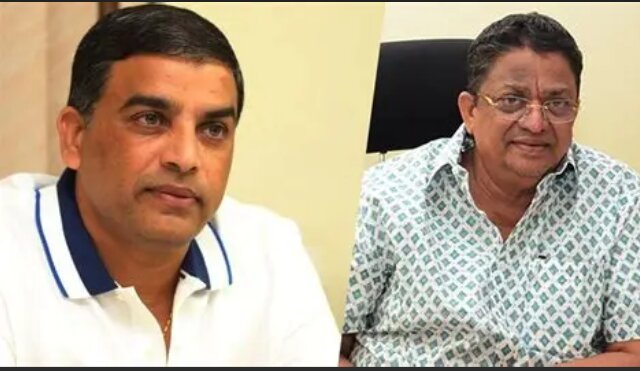
The internal politics of the Telugu film industry have hit a boiling point today, as preparations for the Telugu Film Chamber of Commerce (TFCC) elections move into high gear. With multiple factions vying for control of the industry’s most influential body, the atmosphere in Film Nagar has turned intensely competitive, reflecting the high stakes involved for producers, distributors, and exhibitors alike.
A significant stir was caused this morning following reports of high-profile withdrawals and strategic shifts within the major panels. Bunny Vasu, a prominent producer and close associate of the Mega family, has reportedly made “shocking” moves regarding his participation, triggering intense speculation about the unity of the current leading guilds. Industry veterans suggest that these internal shuffles are part of a broader battle for dominance between established “big league” producers and a rising collective of independent filmmakers who are demanding better representation in decision-making processes.
The central issues dominating this election cycle include the regulation of digital streaming (OTT) release windows and the ongoing struggle over wage hikes for film workers. Tensions remain high after the Chamber recently rejected a 30% wage increase demand from the Employees’ Federation, leading to a polarized environment where candidates are being pressured to take definitive stands. The debate over how to manage the rising costs of production versus the survival of small-budget cinema has become a primary campaign pillar for all contesting groups.
As the final list of candidates is expected to be locked in by the weekend, the lobbying has moved from boardrooms to public platforms. Senior figures like Dil Raju and members of the Manchu family are being watched closely for their endorsements, which could swing the significant exhibitor vote. With the industry facing a transformative year ahead, these elections are being viewed as a referendum on the future direction of Tollywood’s economic and structural policies.