Naidu’s PTM 3.0 Faces CPM Objection
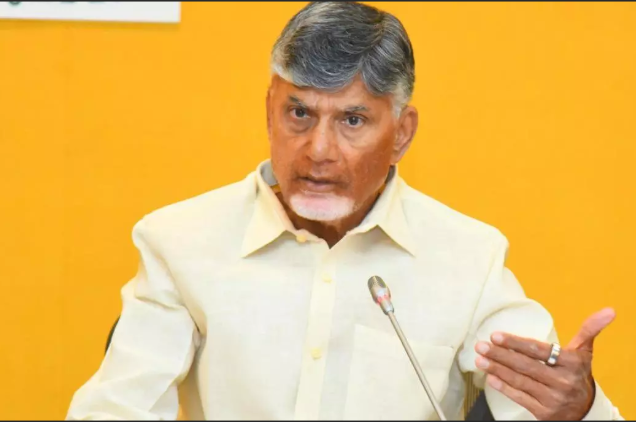
The recent clash between the Communist Party of India (Marxist) (CPM) and Andhra Pradesh Chief Minister N. Chandrababu Naidu over the Parent-Teacher Meeting (PTM) 3.0 initiative has brought a sharp focus onto the role of political parties in public education. The CPM has voiced strong concerns, asserting that a governmental academic program is being used as a platform for political promotion, urging the Chief Minister to keep partisan activities out of schools.The PTM 3.0 is an initiative focused on bolstering the educational process through structured parent-teacher interaction. These meetings are fundamentally designed to create a productive dialogue between parents, teachers, and school committees about a student’s academic standing, behavior, and overall growth.The goal is to build a supportive ecosystem that helps students succeed. It is meant to be a non-political space where the focus remains purely on the welfare of the children and the functioning of the school.
The core of the CPM’s criticism lies in the alleged political nature being infused into this educational forum. The party has expressed its objection to the perceived involvement of ruling party members and activists in these school-level meetings. This, the CPM argues, turns a vital academic exercise into a stage for the ruling party’s propaganda. They contend that this move contradicts the government’s own standing orders, which generally aim to restrict the entry of external elements, including student unions, into educational institutions to maintain a neutral and focused learning environment.
Furthermore, the CPM has drawn attention to what they call a ‘double standard’ by the government. They highlight the apparent contradiction of barring general student and democratic organizations from educational spaces while simultaneously permitting or encouraging the attendance of ruling party functionaries at these very meetings.
The political spotlight on the PTM 3.0 is a microcosm of a larger debate in the region: where does the line between governance and political campaigning lie, especially in sensitive public sectors like education? The CPM has formally demanded that the state government withdraw the controversial directive that, in their view, opens the door for the politicization of Parent-Teacher Meetings. They are insisting on the protection of democratic access within all educational institutions.
The episode is a stark reminder that educational programs, even those designed for genuine reform, must maintain their non-partisan character to ensure the trust and full participation of all stakeholders. As the controversy unfolds, the political and educational circles in Andhra Pradesh are keenly watching to see how the government addresses the concerns about maintaining the sanctity of the classroom and school meetings.