Judicial Victory, Court Clears Arvind Kejriwal
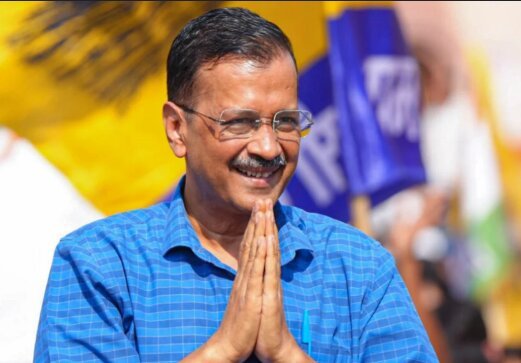
In a major legal breakthrough that has redefined the national political narrative, a Delhi court has discharged Arvind Kejriwal and Manish Sisodia in the high-profile excise policy case. The court’s decision, delivered on Friday, cited a significant lack of evidence to support the charges of corruption and conspiracy. This ruling comes after a long period of judicial scrutiny and has been hailed by supporters as a complete vindication of the party’s integrity.
The judge observed that the chargesheet filed by the investigating agency contained several gaps and failed to establish a direct link between the accused and the alleged irregularities. Following the verdict, the former Chief Minister addressed the media, emotionally stating that the truth had finally triumphed. He described the entire case as a strategic attempt to derail his political movement and challenged his rivals to face a democratic battle in upcoming polls.
While the legal battle has provided temporary relief, the central agency has already indicated its intention to challenge this discharge in a higher court. This development ensures that the legal tussle will continue to be a focal point of national discourse. Political analysts suggest that this victory will provide a massive boost to the party’s morale, especially as they prepare for the next round of state and local elections.
On the international front, India’s diplomatic landscape saw significant activity with the arrival of Canadian Prime Minister Mark Carney in Mumbai. This visit is viewed as a critical “reset” in bilateral relations, focusing on trade diversification and energy security. The discussions are expected to bridge existing gaps and open new avenues for cooperation in technology and critical minerals, signaling a pragmatic shift in foreign policy.
Simultaneously, Prime Minister Narendra Modi addressed a high-level webinar focused on “Technology Reforms and Finance for Viksit Bharat.” He emphasized the role of digital infrastructure and innovation in driving the country’s growth toward a developed nation status by 2047. The Prime Minister’s focus on integrating AI and modern financial tools into governance highlights the government’s forward-looking economic agenda.
In another seismic political shift, veteran leader O. Panneerselvam officially joined the DMK in Tamil Nadu. This move, occurring just months before the state assembly elections, is expected to alter the traditional alliance structures in the region. His entry into the ruling party is seen as a strategic consolidation of Dravidian forces against national competitors, marking a new chapter in his long political career.
Meanwhile, the conclusion of the global AI Impact Summit in New Delhi has placed India at the center of the world’s technological governance debate. The “New Delhi Declaration,” endorsed by over 90 countries, sets a roadmap for human-centric and inclusive artificial intelligence. This summit has solidified India’s position as a bridge between the technological interests of the Global North and the developmental needs of the Global South.
As these events unfold, the intersection of judicial outcomes, international diplomacy, and internal political realignments continues to shape the country’s path. From the courtrooms of Delhi to the diplomatic halls of Mumbai, the day’s developments underscore a dynamic and evolving democracy. The coming weeks will be crucial as these stories develop further and influence the broader national agenda.