Jagan Slams Amaravati Bill as “Financial Scam”
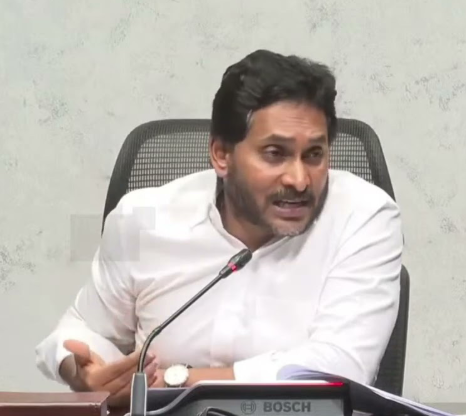
Political temperatures in Andhra Pradesh reached a fever pitch on April 8, 2026, following the formal gazette notification of the Andhra Pradesh Reorganisation (Amendment) Act, 2026. While the ruling TDP-led alliance celebrated the official recognition of Amaravati as the state’s sole capital, YSRCP President YS Jagan Mohan Reddy launched a scathing counter-attack. Speaking to the media, Jagan alleged that the project has been turned into a tool for “massive financial exploitation.”
The YSRCP chief claimed that construction costs in Amaravati are being artificially inflated to ₹14,000 per square foot, significantly higher than the ₹4,500 average in cities like Hyderabad or Bengaluru. He accused Chief Minister N. Chandrababu Naidu of favoring “benamis and relatives” by awarding them lucrative contracts and releasing thousands of crores in mobilization advances. Jagan maintained that the “Three Capital” model—Executive in Vizag, Judicial in Kurnool, and Legislative in Amaravati—remains the only viable solution for the state’s balanced development.
In response, the TDP government hailed the day as a “victory for the people.” CM Naidu expressed his gratitude to the Prime Minister and the President for fulfilling the long-standing dream of the Telugu community. He asserted that the legislative recognition of Amaravati effectively ends years of uncertainty and legal hurdles. Meanwhile, on the ground, TDP cadres held celebrations across the capital region, lighting fireworks and distributing sweets to mark what they described as the “restoration of Telugu pride.”
Beyond the capital row, the state government also faced questions regarding its ambitious social media regulation bill. The policy, which aims to ban social media for children under 13 and implement a “graded” access system for those under 16, has entered a critical 90-day implementation phase. While the government cites mental health concerns, critics and civil society groups have raised alarms over potential privacy violations and the digital gender divide. The clash between the two political giants over corruption and policy priorities continues to dominate the headlines.