India-Russia Deepen Strategic Economic Ties
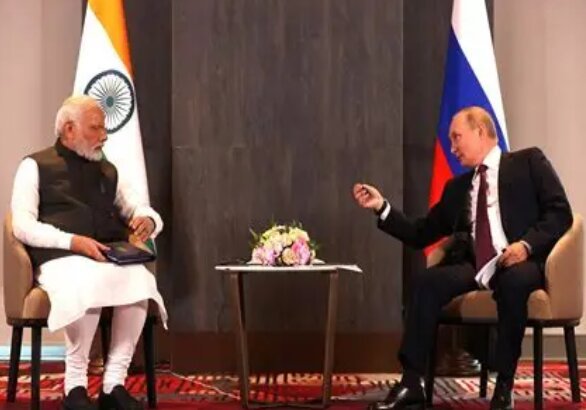
The 23rd India-Russia Annual Summit concluded today in New Delhi, featuring extensive talks between Prime Minister Narendra Modi and Russian President Vladimir Putin. The leaders reiterated the strength of their “Special and Privileged Strategic Partnership,” unveiling a detailed roadmap focused on economic and defense collaboration until 2030. The discussions were comprehensive, covering everything from nuclear energy to the mobility of skilled workers.
The most significant outcome is the finalization of a long-term Economic Cooperation Programme until 2030. This ambitious plan aims to significantly diversify the mutual trade and investment relationship, setting a target to boost annual bilateral trade to $100 billion by the end of the decade. Currently, trade is heavily weighted toward Russia due to India’s substantial energy imports, and the new program seeks to expand Indian exports across sectors like pharmaceuticals, agriculture, and textiles to achieve a more balanced partnership.
Energy security remains a cornerstone of the bilateral relationship. President Putin confirmed Russia’s readiness to ensure the uninterrupted supply of fuel for India’s growing economy. The two nations committed to advancing cooperation in civil nuclear energy, which has been ongoing for decades, and also agreed to explore collaboration in emerging areas like critical minerals, which are vital for clean energy technology and high-tech manufacturing. Agreements were signed to facilitate industrial cooperation, including a deal for an Indian consortium to establish a urea plant in Russia.
In the realm of defense and military-technical cooperation, both leaders expressed satisfaction with the progress made. They specifically welcomed the focus on moving the partnership toward joint research, co-development, and co-production of advanced defense systems, aligning with India’s ‘Make in India’ initiative. This includes encouraging the joint manufacturing of spare parts and components for Russian-origin military equipment within India, fostering self-reliance for the Indian armed forces and opening avenues for exports to friendly third countries.
A key challenge addressed was the smooth functioning of financial transactions amidst global pressures.India and Russia agreed to continue working toward streamlining the use of their national currencies for bilateral trade settlements.Officials noted that a vast majority of commercial transactions are already conducted in the Indian Rupee and Russian Ruble.Furthermore, there was an agreement to consult on the interoperability of national payment systems and Central Bank Digital Currency (CBDC) platforms to ensure seamless trade flow.16
Reflecting on the historical connection, Prime Minister Modi emphasized that the friendship between the two nations has been a “pole star” in a rapidly changing world, built on mutual trust and respect. In a move to boost people-to-people ties and tourism, PM Modi announced that Russia will soon be granted free e-tourist visas for up to 30 days.The successful summit has established a clear, long-term blueprint for deepening cooperation, navigating global complexities, and ensuring the continued strength of this special strategic partnership.