India Confronts Diplomatic Crisis Over Sheikh Hasina Extradition
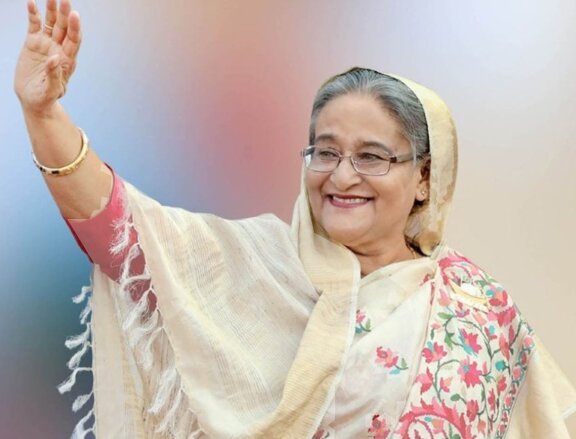
A significant diplomatic challenge has emerged for India following the death sentence handed down to former Bangladeshi Prime Minister Sheikh Hasina by the International Crimes Tribunal-Bangladesh (ICT-BD). Immediately after the verdict, the interim government in Dhaka formally requested that New Delhi extradite the former leader, who has been residing in India since fleeing the widespread student protests in August 2024.
The call for her return centers on the existing India-Bangladesh Extradition Treaty of 2013, which, as Dhaka’s Foreign Ministry pointed out, obligates New Delhi to cooperate.The charges against Ms. Hasina and her former interior minister, Asaduzzaman Khan Kamal, who was also sentenced to death in absentia, relate to alleged crimes against humanity committed during the violent crackdown on the student-led uprising last year.The tribunal specifically cited her alleged role in ordering killings and inciting violence.
In response, India’s Ministry of External Affairs (MEA) issued a carefully worded statement, acknowledging the verdict and the request. The MEA noted that India remains “committed to the best interests of the people of Bangladesh” and promised to “engage constructively with all stakeholders” on the matter. This measured reply highlights the delicate political tightrope New Delhi must walk.
For India, the decision is fraught with complex legal and diplomatic considerations. The bilateral extradition treaty does contain a provision allowing for the refusal of a request if the offense is deemed to be of a “political character.” Legal experts are quick to point out that Ms. Hasina and her party, the Awami League, have consistently denounced the trial as “politically motivated” and “biased,” claiming it is driven by her rivals in the current unelected interim government.
India’s choice will significantly impact its relationship with its crucial eastern neighbor. While a refusal could be viewed as an “unfriendly” act by the current regime in Dhaka, compliance would involve handing over a political figure who has historically been an ally of India and has been a proponent of regional stability.
The ICT-BD’s verdict, which came after months of hearings and found Ms. Hasina guilty on multiple counts, including the killing of protesters, has intensified the political crisis in Bangladesh. With the Awami League banned from participating in the upcoming national elections and the verdict still open to appeal in the Bangladeshi Supreme Court, the country remains highly volatile.
India must now balance its commitment to bilateral treaties, its internal legal principles concerning political offenses, and the larger geopolitical goal of fostering peace and stability in the region. The decision on the extradition request will undoubtedly be a defining moment for India’s South Asia foreign policy.