Gram Panchayat Elections, First Phase Polling Concludes
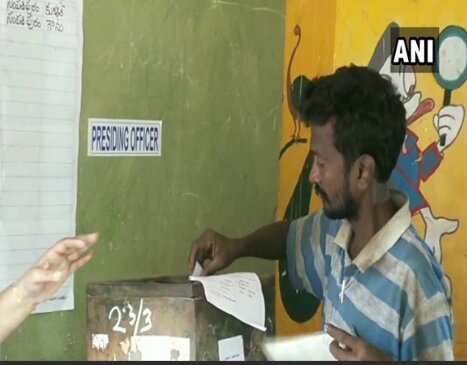
Telangana is witnessing a pivotal moment in its local governance as the first phase of the Gram Panchayat elections concludes. Voters across several districts today exercised their democratic right to elect Sarpanches and Ward Members, positions that form the very foundation of the state’s political structure. This election is not just a routine affair; it serves as a critical first test of political winds at the village level since the new government took charge.
The polls, conducted over a single day for the initial phase, were met with an encouragingly high voter turnout, showcasing the rural electorate’s commitment to local democracy. The immediate focus now shifts to the counting of votes, which is set to begin later today, to determine the winners who will lead these crucial village administrative bodies.
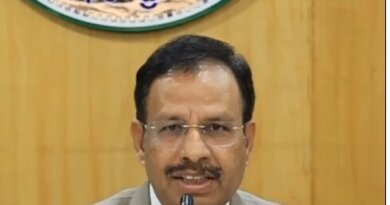
A significant number of positions were already settled before the polling began. The State Election Commission reported that hundreds of Sarpanches and thousands of Ward Members have been elected unopposed.1 This uncontested victory, where a single candidate remained after the withdrawal deadline, often reflects local consensus or the overwhelming dominance of a particular political faction or community group in that area.
However, the majority of Gram Panchayats went to the polls as scheduled. In total, thousands of contestants were in the fray for the remaining Sarpanch posts and tens of thousands for the Ward Member positions.2 The fierce competition highlights the political importance of these local bodies. Control over a Gram Panchayat provides direct access to development funds and influence over rural welfare schemes, making these elections highly contested, even if they are technically held without party symbols.
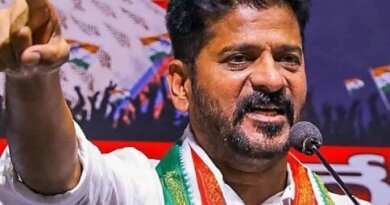
The results are being keenly watched by all major political parties, especially the ruling Congress and the main Opposition, the Bharat Rashtra Samithi (BRS). For the Congress party, a strong performance at the Gram Panchayat level would be seen as an endorsement of its government’s policies and promises made to the rural populace over the past two years. For the BRS, any significant gains would signal a potential revival of their influence at the grassroots, suggesting that their decade-long connection with the villages remains intact despite the recent change in state power.
The local polls, held in multiple phases, are a mechanism to ensure the continuous flow of central and state grants to the villages, particularly the crucial funds from the Central Finance Commission.3 The timely holding of these elections is essential for unlocking and utilizing these development funds, which are vital for local infrastructure and welfare projects. The final outcome of this first phase will provide the first clear indication of the shift in political loyalty in rural Telangana, setting the stage for the subsequent phases of the election process. It is a true barometer of popular sentiment on the ground.