Cabinet Approves Expansion of Lok Sabha to 816 Seats
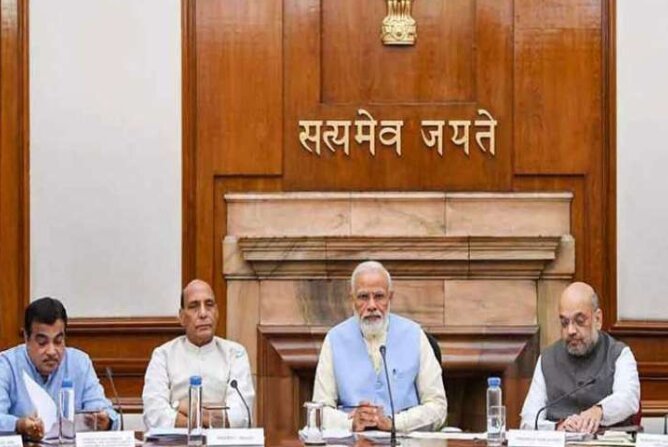
The Union Cabinet, led by Prime Minister Narendra Modi, made a landmark decision on April 8, 2026, by approving a draft amendment Bill to operationalize the Women’s Reservation Act ahead of the 2029 elections. The most striking feature of this Bill is the proposed expansion of the Lok Sabha from its current 543 seats to a massive 816 seats. This change follows a fresh delimitation exercise based on the 2011 Census data. Under the new framework, one-third of the House—approximately 273 seats—will be reserved exclusively for women, marking a historic shift in India’s legislative structure.
While the government hails this as a leap toward “Nari Shakti,” the move has triggered intense debate. Opposition leaders have questioned the use of the 2011 Census instead of waiting for updated 2027 data, suggesting the timing is politically motivated. The Bill is set for a high-stakes debate during the extended Budget Session scheduled for mid-April. Proponents argue that the expansion is necessary to ensure fair representation for India’s growing population, while critics fear it may lead to an imbalance in regional political power between the northern and southern states.
On the same day, national politics was rocked by a bitter confrontation between the Election Commission of India (ECI) and the Trinamool Congress (TMC). A high-level TMC delegation, including MP Derek O’Brien, accused Chief Election Commissioner Gyanesh Kumar of “extreme rudeness,” alleging he told the delegation to “get lost” during a meeting. The ECI countered these claims, accusing the MPs of “shouting” and disruptive behavior. This incident has further soured relations between the poll body and the opposition INDIA bloc, which is already protesting the rejection of a removal notice against the CEC.
In the southern part of the country, the Kerala Assembly Elections reached a fever pitch as the state prepared for polling on April 9. The ECI issued a strict directive on the eve of the election, demanding the immediate removal of all political advertisements from digital platforms and television channels. This move aimed to ensure a “silence period” before the high-octane contest, where the LDF, UDF, and an increasingly visible BJP are locked in a three-way battle for the state’s future.
Finally, India’s diplomatic role took center stage as the Ministry of External Affairs welcomed a U.S.-Iran ceasefire agreement brokered by Pakistan. While India refrained from naming specific parties or “thanking” mediators, it emphasized the need for unimpeded trade through the Strait of Hormuz to protect its energy interests. Simultaneously, External Affairs Minister S. Jaishankar hosted a high-level delegation from the new Bangladesh government, signaling a cautious but constructive engagement with Dhaka’s “Bangladesh First” foreign policy while navigating sensitive requests for the extradition of Sheikh Hasina.