
Amaravati Land Pooling Gets Cabinet Nod
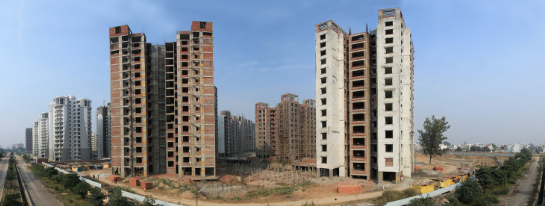
The Andhra Pradesh Cabinet has cleared a major step in the state’s capital development journey. In a decisive move, the government approved the acquisition of 16,666 acres spread across seven villages for the second phase of Amaravati’s capital city project.
This decision marks a renewed push to advance Amaravati’s vision as a planned capital, balancing infrastructure growth with regional aspirations. The land pooling initiative is expected to accelerate construction activity and provide a structured roadmap for housing, public offices, and civic amenities.
Officials highlighted that the pooling process will involve voluntary participation from landowners, who will receive developed plots in return. This model, already tested in earlier phases, is seen as a way to minimize disputes and ensure equitable distribution of benefits.
The Cabinet’s approval comes after detailed consultations with stakeholders, including farmers, local representatives, and urban planners. The government emphasized transparency and fairness in the acquisition process, aiming to build confidence among communities.
Seven villages identified for this phase are strategically located to support the expansion of core capital zones. These areas will host administrative complexes, residential blocks, and essential infrastructure such as roads, drainage, and green spaces.
The move is expected to generate employment opportunities during construction and later through commercial activity. With Amaravati envisioned as a hub for governance, education, and business, the second phase is critical to shaping its long-term identity.
Farmers who contribute land will benefit from reconstituted plots with improved access to utilities and transport. The government has assured that compensation packages will be fair and timely, reducing uncertainty for participants.
Urban planners note that the pooling model reduces the need for forced acquisition, aligning development with cooperative participation. This approach is expected to strengthen trust between the state and its citizens.
The Cabinet’s decision also reflects the broader ambition of Andhra Pradesh to position Amaravati as a modern capital with sustainable design. The integration of housing, offices, and public services is aimed at creating a balanced urban ecosystem.
Infrastructure agencies are preparing detailed layouts for the pooled land, ensuring compliance with environmental and planning norms. Roads, drainage systems, and green corridors will be prioritized to make Amaravati livable and future-ready.
The government has indicated that construction timelines will be closely monitored, with phased targets to avoid delays. Contractors and agencies will be held accountable for progress.
This second phase builds on earlier efforts where thousands of acres were pooled successfully. The continuity of the model is seen as a sign of stability in capital development policy.
Local communities have expressed cautious optimism, welcoming the promise of development but seeking clarity on compensation and timelines. Officials have assured that grievance redressal mechanisms will be strengthened.
The Cabinet’s approval is expected to attract renewed investor interest in Amaravati. Real estate developers, educational institutions, and businesses are likely to explore opportunities in the capital region.
Observers note that the success of this phase will depend on effective execution and community cooperation. Transparency in allocation and timely delivery of developed plots will be key.
The government has reiterated its commitment to building Amaravati as a capital that reflects both modern aspirations and regional pride. The pooling of 16,666 acres is a milestone in that journey.
This initiative is expected to reshape the landscape of the capital region, laying foundations for administrative efficiency, economic growth, and social development.
As Amaravati moves into its next chapter, the Cabinet’s decision signals a strong intent to deliver on promises made to the people of Andhra Pradesh.


A very thourough and well researched piece! I appreciated the depth.