₹14,000 Cr Fund Diversion Sparks Bihar Poll Uproar
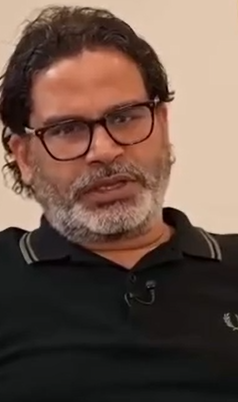
In a dramatic turn of events following the Bihar Assembly elections, Jan Suraaj Party founder Prashant Kishor has ignited a political storm by alleging a massive ₹14,000 crore fund diversion. He claims that public money, originally allocated for development through World Bank assistance, was rerouted to influence voters just before the polls.
According to Kishor, the funds were funneled into the Mukhyamantri Mahila Rojgar Yojana, under which ₹10,000 was directly transferred to the bank accounts of 1.25 crore women across Bihar. This move, he argues, was not a welfare initiative but a calculated political maneuver to sway the electorate in favor of the ruling alliance.
Kishor, a seasoned political strategist turned reformist, labeled the act as a “purchase of democracy,” asserting that the electoral outcome was manipulated through financial inducements. He emphasized that such actions undermine the spirit of free and fair elections, raising serious questions about ethical governance.
The Jan Suraaj Party, which failed to secure a significant foothold in the elections, has demanded a thorough investigation into the alleged misuse of funds. Party spokespersons have also pointed to the suspicious timing of the cash disbursements, which occurred just before the Model Code of Conduct came into effect.
Political observers note that the cash transfers played a pivotal role in consolidating support among women voters, a demographic that turned out in large numbers. Analysts suggest that the scheme may have tilted the scales in favor of the ruling NDA, which returned to power with a sweeping mandate.
Critics argue that while welfare schemes are a legitimate tool of governance, their strategic deployment during election season blurs the line between public service and political gain. The opposition has echoed Kishor’s concerns, calling for transparency and accountability in the use of public funds.
Meanwhile, the ruling coalition has defended the scheme, stating that it was part of a long-standing commitment to women’s empowerment and not an election gimmick. They maintain that the funds were legally sanctioned and disbursed through proper channels.
The controversy has sparked debates across the country, with citizens, activists, and political leaders weighing in on the implications of such practices. Many fear that if left unchecked, this could set a dangerous precedent for future elections.
Kishor’s allegations have also drawn attention to the broader issue of electoral ethics and the role of money in Indian politics. His call for reform resonates with those who believe that democracy must be protected from financial manipulation.
As the dust settles on the Bihar elections, the spotlight now shifts to the institutions responsible for ensuring electoral integrity. Whether these allegations will lead to concrete action or fade into political noise remains to be seen.
For now, the people of Bihar—and indeed the nation—await answers. The question is no longer just about who won the election, but how.