US Secretary of State Marco Rubio’s India Visit
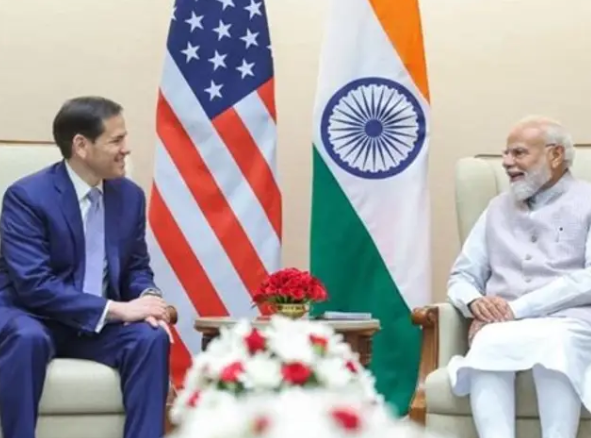
United States Secretary of State Marco Rubio arrived in Mumbai to kick off a crucial multi-day diplomatic visit. His arrival marks a vital moment for international cooperation between Washington and New Delhi. Upon landing at the international airport, top diplomatic figures and local leaders extended a warm welcome. The discussions during this high-level tour focus heavily on expanding bilateral trade, defense technology, and energy security. External Affairs Minister S. Jaishankar met with the visiting American diplomat to map out shared regional goals. Both leaders emphasized that the partnership between the two nations will heavily shape global stability in the current century. During the opening engagements, energy diversification and economic supply chains remained core topics of conversation.
The visiting dignitary noted that India has made impressive strides in diversifying its petroleum and energy sources. Talks also explored potential frameworks to enhance regional crude oil processing and refine market approaches. Aside from economic matters, security cooperation and countering cross-border threats received prominent attention. Mr. Rubio paid solemn respects at a memorial site to honor victims of past tragedies, reaffirming a joint stance against terror. Later in the schedule, a grand cultural and diplomatic reception took place at a major convention center in the city. State leaders joined international delegates to celebrate long-standing diplomatic ties and cultural exchanges.
The itinerary includes a travel leg to Gujarat for industrial tours aimed at reviewing joint energy infrastructure. Analysts point out that this ongoing dialogue strengthens strategic trust and opens doors for future technology sharing. Public officials from both sides reiterated their commitment to leaving a prosperous environment for future generations. As global challenges evolve, continuous communication remains the cornerstone of this robust bilateral relationship. The successful progression of these meetings highlights a shared vision for a free, open, and secure regional architecture.