Fallout Over YS Jagan Mohan Reddy’s Letter & Family Dynamics
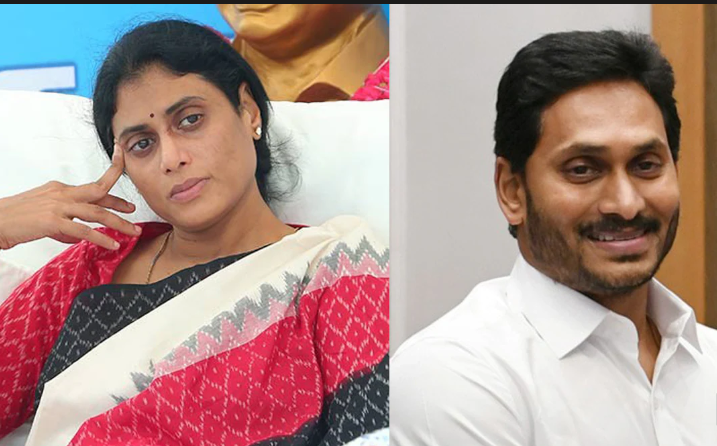
The political landscape in Andhra Pradesh has witnessed an unexpected turn following the public release of a personal letter written by YSRCP Chief YS Jagan Mohan Reddy to his sister, YS Sharmila.
The communication, which quickly became the center of massive public and political debate, addresses growing discussions over family dynamics and private matters overlapping into the public domain.
At the core of the controversy is a disagreement concerning the wedding venue chosen for the marriage ceremony of YS Sharmila’s daughter, Anjali.
According to the letter dated October 9, 2026, YS Jagan Mohan Reddy addressed his sister warmly as “Dear Sharmi” while expressing strong reservations about hosting the large celebration at his private residence in Bengaluru.
The former Chief Minister explained that holding a major family function involving numerous guests, event managers, caterers, and media personnel at his home would create major security and privacy vulnerabilities.
He noted that unrestricted movement of unfamiliar individuals and subsequent circulation of photographs or videos of the residential premises would compromise the safety of his immediate household.
Furthermore, the letter indicated that these concerns had been communicated to the family well in advance through intermediaries before invitations were printed, adding that he would hold the same boundary for his own children.
As an alternative solution, YS Jagan reiterated that his spacious Lotus Pond property in Hyderabad remained open and available for the family wedding.
The sudden public disclosure of this internal correspondence prompted sharp reactions across the political spectrum throughout the state.
Ruling coalition leaders, including Chief Minister N. Chandrababu Naidu, seized the moment to criticize the opposition leader, accusing him of prioritizing personal friction over core family values and familial relationships.
Political analysts noted that opponents have utilized the situation to question the emotional depth and interpersonal standing of the opposition leadership during a sensitive electoral season.
In response to the mounting political attacks, senior YSRCP leaders launched a counter-offensive, defending their party president’s stance and condemning what they labeled as an intrusion into private family matters.
The party camp argued that the ruling alliance was deliberately weaponizing a private communication to distract public attention from pressing governance issues, local body poll tensions, and administrative hurdles.
They emphasized that the letter was released solely to clear up misunderstandings and showcase that security protocols were the primary driver behind the venue dispute rather than intentional malice.
Meanwhile, common citizens and regional observers have expressed mixed views on how deeply personal family matters are continuously magnified on public political stages.
With regional elections and municipal contests concurrently heating up across various districts, this domestic friction has unexpectedly overshadowed several core campaign trails.
As discussions continue to evolve in digital spaces and local television debates, the wider impact of these family dynamics on regional voter behavior remains to be seen.
Political observers believe that unless both camps steer public discourse back toward local development and policy debates, domestic narratives will continue to dominate headlines across Andhra Pradesh.